Best Compression Socks for Women on Long Flights 2026
Discover top compression socks for solo women on 8-hour+ flights, with safety data, expert tips, and a 2026 roundup from budget to premium picks to keep your legs happy.

This post may contain affiliate links. Disclosure

When you are boarding that 10-hour trans-Pacific flight, the last thing you want is to feel cramped, sore, or anxious about your legs. A pair of well-chosen compression socks can turn a restless journey into a comfortable, confidence-boosting experience — especially for solo female travelers who value self-care without the hype. In this guide we will unpack the science behind graduated compression, walk through the single most actionable tip (put them on before you leave home), and present a curated roundup of eight socks that span budget-friendly packs to premium medical-grade options. Whether you are a first-timer or a seasoned jet-setter, you will finish this read with a clear plan to keep your circulation happy and your style on point for every long-haul adventure.
Which compression socks are best for women on long flights? CEP Flight Compression Socks lead at a graduated 20-30 mmHg, with Sockwell Circulator, Bombas knee-highs, Comrad and CHARMKING covering the gentler 15-20 mmHg range. Prices run roughly $12 to $55. Put them on before you leave home rather than at the gate.
Why Compression Socks Matter on Long-Haul Flights
Long-haul air travel — typically defined as flights lasting eight hours or more — creates a perfect storm for venous stasis. Cabin pressure, limited leg movement, and dehydration can increase the risk of venous thromboembolism (VTE) by two to four times, even though the absolute risk stays low at approximately 1 in 4,656 to 1 in 6,000 person-flights for journeys over four hours, according to the CDC Yellow Book 2026. The American College of Chest Physicians (ACCP) recommends graduated compression stockings delivering 15-30 mmHg at the ankle for at-risk travelers.
A 2021 Cochrane review of 12 randomized trials involving 2,918 participants found that compression stockings cut symptomatic deep-vein thrombosis (DVT) risk on flights over five hours from roughly 10 per 1,000 passengers to 1 per 1,000 — a ten-fold reduction. That statistic is powerful, but it is not a call to panic. For healthy solo women, the sweet spot is 15-20 mmHg, which offers proven circulation support without the firmness that can feel too tight for newcomers. The higher 20-30 mmHg range is best saved for those with existing clotting risk factors such as recent surgery, pregnancy, or obesity.
How to Choose the Right Pair for You
| Factor | What to Look For | Why It Matters |
|---|---|---|
| Compression Level | 15-20 mmHg for healthy travelers; 20-30 mmHg for elevated risk | Aligns with ACCP guidelines and Cochrane evidence |
| Material | Natural fibers (merino wool, bamboo) for moisture wicking; synthetic blends for durability | Keeps feet dry, reduces odor, and prevents sweaty-sock discomfort |
| Fit and Length | Knee-high is ideal for full-leg support; ensure calf circumference matches size chart | Proper fit maintains graduated pressure gradient |
| Pack Size | Single pair vs. multi-pack (3-6 pairs) | Multi-packs are cost-effective for frequent flyers; single pairs work for occasional trips |
| Style | Color or pattern that matches your travel wardrobe | Feeling good in what you wear boosts confidence on solo adventures |
When you are shopping, remember that price does not always equal performance. Premium brands often add merino wool or antimicrobial yarns, but many mid-range options deliver the same 15-20 mmHg pressure with reliable durability. The American Society of Hematology and the CDC blood clots travel page both offer guidance on when compression socks are most useful versus when to consult a physician.
The Single Most Actionable Tip: Put Them On Before You Leave Home
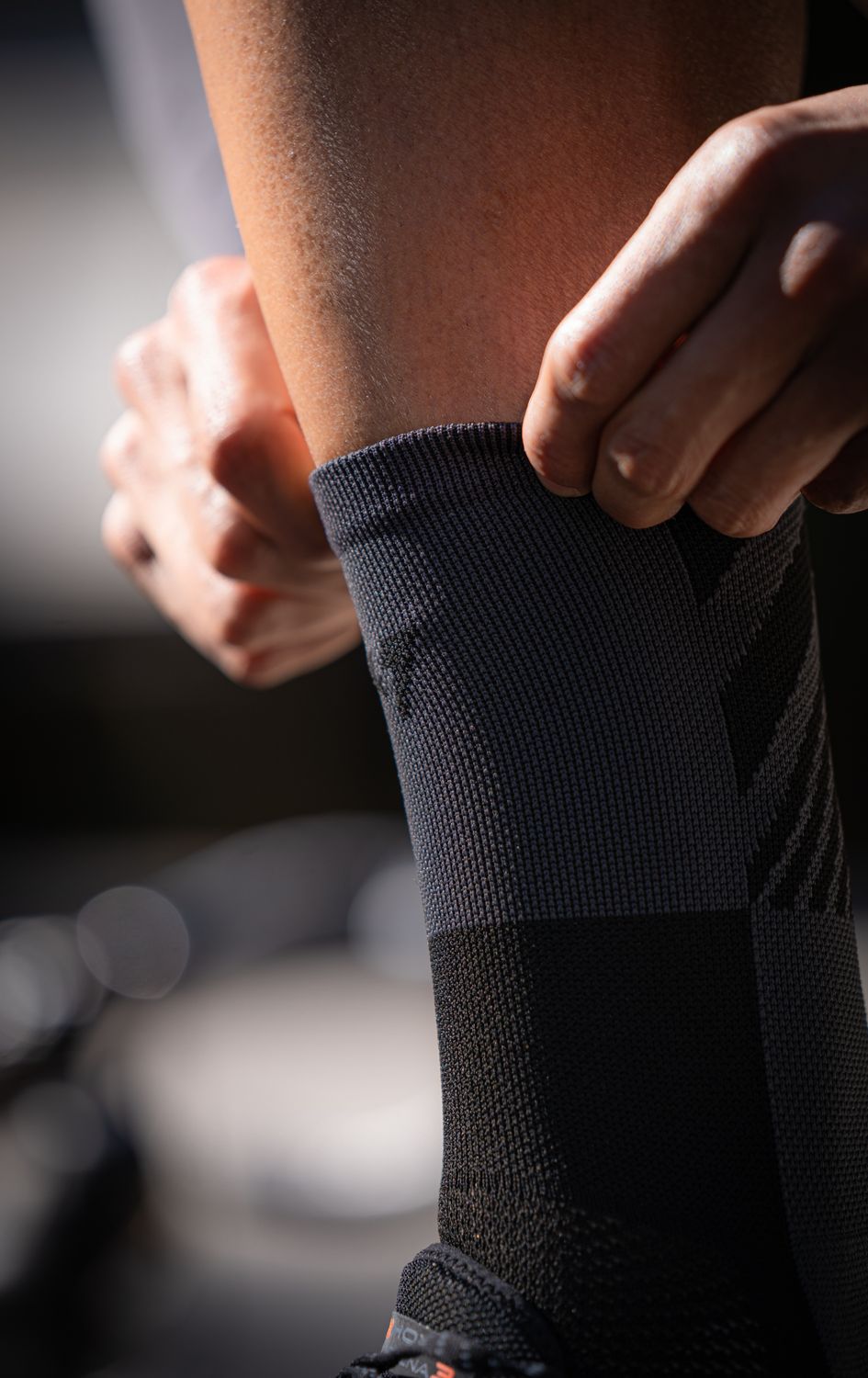
Research cited by the CDC emphasizes that compression socks work best when applied before boarding, not after swelling begins. Slip them on as part of your pre-flight routine — right after you brush your teeth and before you zip up your carry-on. This ensures the graduated pressure is in place the moment you sit down, helping blood flow from the start of the journey. Pair the socks with a short calf-stretch routine at the gate and stay hydrated (water, not alcohol) to maximize the benefit.
Bonus Wellness Hacks for the Long-Haul
- Move Every 60-90 Minutes - Stand, walk the aisle, or do seated ankle pumps. Even a brief walk to the galley and back activates the calf muscles that help push blood upward.
- Hydrate Strategically - Aim for 8-10 oz of water every hour; avoid excess caffeine and alcohol, both of which accelerate dehydration in the low-humidity cabin environment.
- Layer Smart - Wear breathable, loose-fitting clothing to avoid additional pressure on the legs. Tight waistbands and restrictive leggings can counteract the benefit of compression socks.
- Foot Elevation - When you can, prop your feet on a carry-on or footrest to reduce swelling. Even a small angle makes a measurable difference on flights over eight hours.
These practices, combined with the right compression socks, create a holistic flight-wellness routine that feels like a self-care ritual rather than a medical chore.
Our Top Picks for 2026
Below is our curated selection, organized from premium medical-grade to budget-friendly multi-packs. Each product includes the price range, key specs, who it is best for, and a quick pros/cons snapshot. All links are affiliate-enabled, so you support HerTripGuide at no extra cost.
CEP Flight Compression Socks — Women’s Graduated 20-30 mmHg
- Price: $40-55 Buy on Amazon
- Specs: 20-30 mmHg graduated compression; 49% Polyamide, 36% Merino Wool, 15% Spandex; knee-high; sizes II-IV; 2 colorways
- Best For: Flyers wanting true medical-grade compression with merino wool temperature regulation on routes over 8 hours
- Pros: Matches ACCP’s 15-30 mmHg recommendation; merino wool wicks moisture and naturally regulates temperature; no-slip, wrinkle-free fit prevents mid-flight bunching
- Cons: Premium price; firmness may feel strong for first-time wearers
Sockwell Women’s Circulator — Moderate Graduated Compression 15-20 mmHg
- Price: $30-35 Buy on Amazon
- Specs: 15-20 mmHg; 32% Merino Wool, 31% Bamboo Rayon, 32% Stretch Nylon, 5% Spandex; 4-zone graduated compression; ultra-light cushion sole; seamless toe
- Best For: Women who want premium natural-fiber comfort with light-to-moderate compression for 4-8 hour flights
- Pros: Odor-resistant, breathable blend; 4-zone compression targets ankle, arch, calf, shin; seamless toe prevents blister hotspots during long terminal walks
- Cons: Only two size options (S/M and M/L); hand-wash recommended, which can be inconvenient on multi-week trips
The Sockwell official product page has fit guides by calf circumference if you are between sizes.
Bombas Women’s Knee-High Compression Socks — Everyday 15-20 mmHg
- Price: $28-30 Buy on Amazon
- Specs: 15-20 mmHg; cotton-blend midweight; knee-high; sizes S, M, L (US women 4-13); honeycomb arch support system
- Best For: Travelers who prioritize cotton-soft feel and ethical gifting (one pair donated per purchase)
- Pros: Soft cotton stays soft through long-haul wear; honeycomb arch support reduces under-foot fatigue; One Purchased = One Donated aligns with values-led solo travelers
- Cons: Mid-premium price for cotton-blend at 15-20 mmHg; cotton can retain more moisture in hot cabin air
Comrad 3-Pack Knee High Socks — 15-20 mmHg SmartSilver
- Price: $45-55 Buy on Amazon
- Specs: 15-20 mmHg; 91% Nylon, 9% Spandex; SmartSilver antimicrobial yarn; True Graduated Compression; 3-pack; S fits women’s shoe 5-7.5
- Best For: Frequent flyers who want a 3-pack value buy with built-in odor control for back-to-back travel weeks
- Pros: SmartSilver eliminates odor during multi-day wear; true graduated compression strongest at ankle, decreasing up the leg; per-pair cost drops to $15-18
- Cons: Thin nylon may snag on rough luggage interiors; limited color palette
The Comrad official travel collection includes size guides and washing instructions.

CHARMKING Graduated Compression Socks — 15-20 mmHg 3 Pairs
- Price: $12-18 Buy on Amazon
- Specs: 15-20 mmHg; 85% Nylon, 15% Spandex; 360-degree stretch fabric; over 50% recycled material; knee-high; S/M and L/XL
- Best For: Budget-conscious travelers seeking a starter multi-pack for their first compression sock experience
- Pros: Low price makes it easy to pack multiple pairs; 360-degree stretch simplifies application; high recycled content reduces environmental footprint
- Cons: Thinner fabric may wear faster than premium options; compression consistency less rigorously verified
CHARMKING 6-Pairs Compression Socks — 15-20 mmHg Flight Travel
- Price: $20-28 Buy on Amazon
- Specs: 15-20 mmHg; 85% Nylon, 15% Spandex; 6 colorways per pack; knee-high; breathable moisture-wicking weave; S/M and L/XL
- Best For: Women who travel frequently and want a rotation of color-matched socks for every trip outfit
- Pros: Six-pack covers a full two-week trip without laundry; variety of colorways matches business or leisure attire; 15-20 mmHg is accessible and recommended for healthy travelers on flights over 4 hours
- Cons: Replacing the whole set if one pair wears out; sizing runs slightly narrow for wide-calf builds above 16 inches
Truform Travel Series Compression Socks — 15-20 mmHg Made in USA
- Price: $15-22 Buy on Amazon
- Specs: 15-20 mmHg; Nylon, Acrylic, Spandex blend; soft microfiber texture; moisture-wicking odor-control filament yarns; circulatory knit pattern; latex-free; Made in USA
- Best For: Travelers who want an American-made, medical-focused brand at a mid-range price with pilot-tested credibility
- Pros: Latex-free construction important for sensitivities; pilots have tested the socks in real-world prolonged-sitting conditions; soft microfiber balances compression and all-day wearability
- Cons: Neutral colorways only; acrylic may feel warmer than pure nylon in hot climates
Physix Gear Compression Socks — 20-30 mmHg Graduated Athletic
- Price: $18-22 Buy on Amazon
- Specs: 20-30 mmHg; Lycra-blend fabric; arch-to-calf compression zone; stay-put cuffs; knee-high; sizes S/M, L/XL, 2XL; 4.9/5 rating from 3,000+ reviews
- Best For: Women at elevated DVT risk or who experience significant leg swelling and need firmer 20-30 mmHg range at an accessible price
- Pros: Firm compression delivers clinically relevant pressure; arch-to-calf zone provides full-leg support; available in 2XL, filling a gap many fashion brands ignore
- Cons: Firmer pressure may require a break-in period; exact material blend not disclosed on product page

How to Wear Your Compression Socks Like a Pro
- Prep Your Legs - Warm up with a quick shower or a few minutes of gentle calf stretches. Warm muscles allow the fabric to glide on without bunching, which is especially important with firmer 20-30 mmHg options.
- Apply Before You Pack - Slip the socks on while you are still at home, then roll up your pants or leggings to keep them smooth. Do not wait until the airport gate.
- Check the Fit - The top of the sock should sit just below the knee, not roll down. You should feel a gentle pressure, not pain. If the cuff digs in, size up.
- Stay Consistent - Keep them on for the entire flight, and continue wearing them for a few hours after landing if you have a long layover.
- Care Instructions - Most brands recommend hand-washing in cold water and air-drying. For multi-packs, rotate pairs to extend lifespan and maintain consistent compression.
Frequently Asked Questions
Q: Do I need a prescription to buy compression socks? A: No. The socks listed are wellness accessories, not medical devices. If you have a diagnosed clotting disorder, consult your healthcare provider for the appropriate compression level.
Q: Can I wear compression socks with shoes during the flight? A: Absolutely. Knee-high socks are designed to be worn under most shoes or slippers. Just make sure the cuff is not pinching your calf.
Q: How often should I replace my compression socks? A: For regular travel wear, most manufacturers suggest replacing every 3-6 months, or sooner if you notice loss of elasticity or fabric wear.
Q: Are natural fibers better than synthetic? A: Natural fibers like merino wool and bamboo rayon excel at moisture management and odor control. Synthetic blends often provide a tighter, more durable compression at a lower price point. The best choice depends on your priorities.
Q: What if I have wide calves? A: Look for brands offering multiple size ranges (S/M, L/XL) and consider the 360-degree stretch fabric of CHARMKING for easier application. Physix Gear also offers a 2XL option.
Bottom Line: Choose Comfort, Choose Confidence
Compression socks are a small, affordable upgrade that can make a massive difference on those marathon flights. By selecting a pair that matches your compression needs, material preferences, and style, you are investing in both health and confidence. Pair them with the pre-flight routine we outlined — don them before you step out the door, stay hydrated, and move regularly — and you will glide through the clouds with a calm, empowered stride.
Related Reading
Get price-drop alerts and new guides from HerTripGuide
One email a week: price drops on the gear we recommend, new guides, and what changed. No spam, unsubscribe anytime.