Best Travel Yoga Mats for Solo Female Travelers in 2026
Discover the top travel yoga mats for solo women in 2026 — lightweight, eco-friendly, and budget-smart options to keep your practice alive on the road.
This post may contain affiliate links. Disclosure
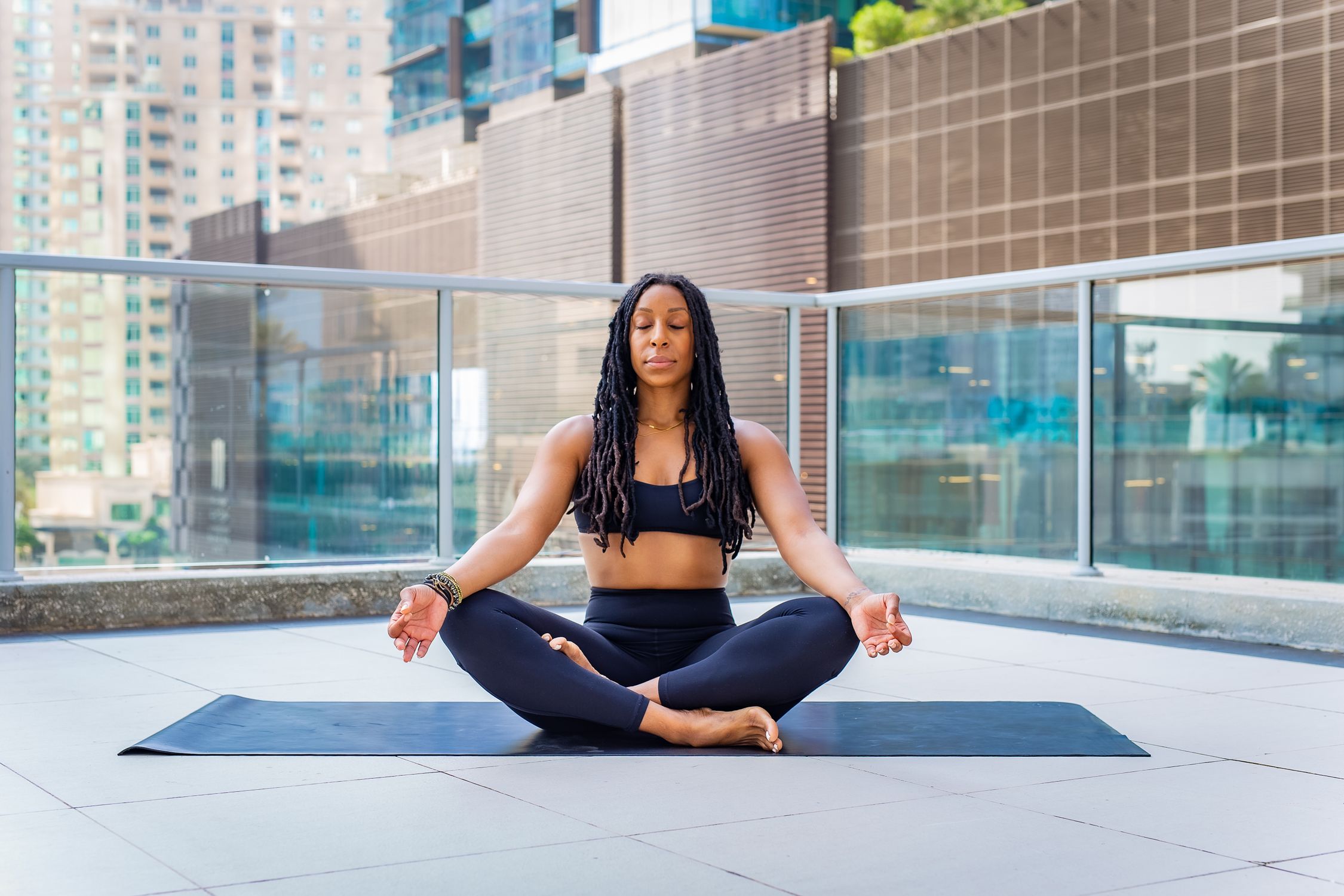
Traveling solo is a beautiful blend of freedom, self-discovery, and a little bit of logistical wizardry. As an older-sister figure who’s trekked across continents, I know the joy of unrolling a mat in a sunrise-lit courtyard and feeling the world pause for a breath. Your yoga mat becomes a portable sanctuary — a place where you can ground yourself after a long flight, stretch out after a day of hiking, or simply greet a new sunrise with intention. Because you’re the one packing every ounce, the weight, thickness, and fold-ability of that mat matter as much as its grip or eco-credentials. Below, we’ve gathered the most reliable, travel-ready mats that balance lightness, sustainability, and comfort, all while keeping your budget and safety in mind.
Short answer: The top picks are Manduka eKO Superlite Travel Yoga Mat, Liforme Travel Yoga Mat and JadeYoga Voyager Yoga Mat. Prices across the list run roughly $22 to $110. Gaiam Foldable Travel Yoga Mat and Gaiam Soft-Grip 2-in-1 Travel Yoga Mat round out the shortlist.
Why Your Yoga Mat Matters on the Road
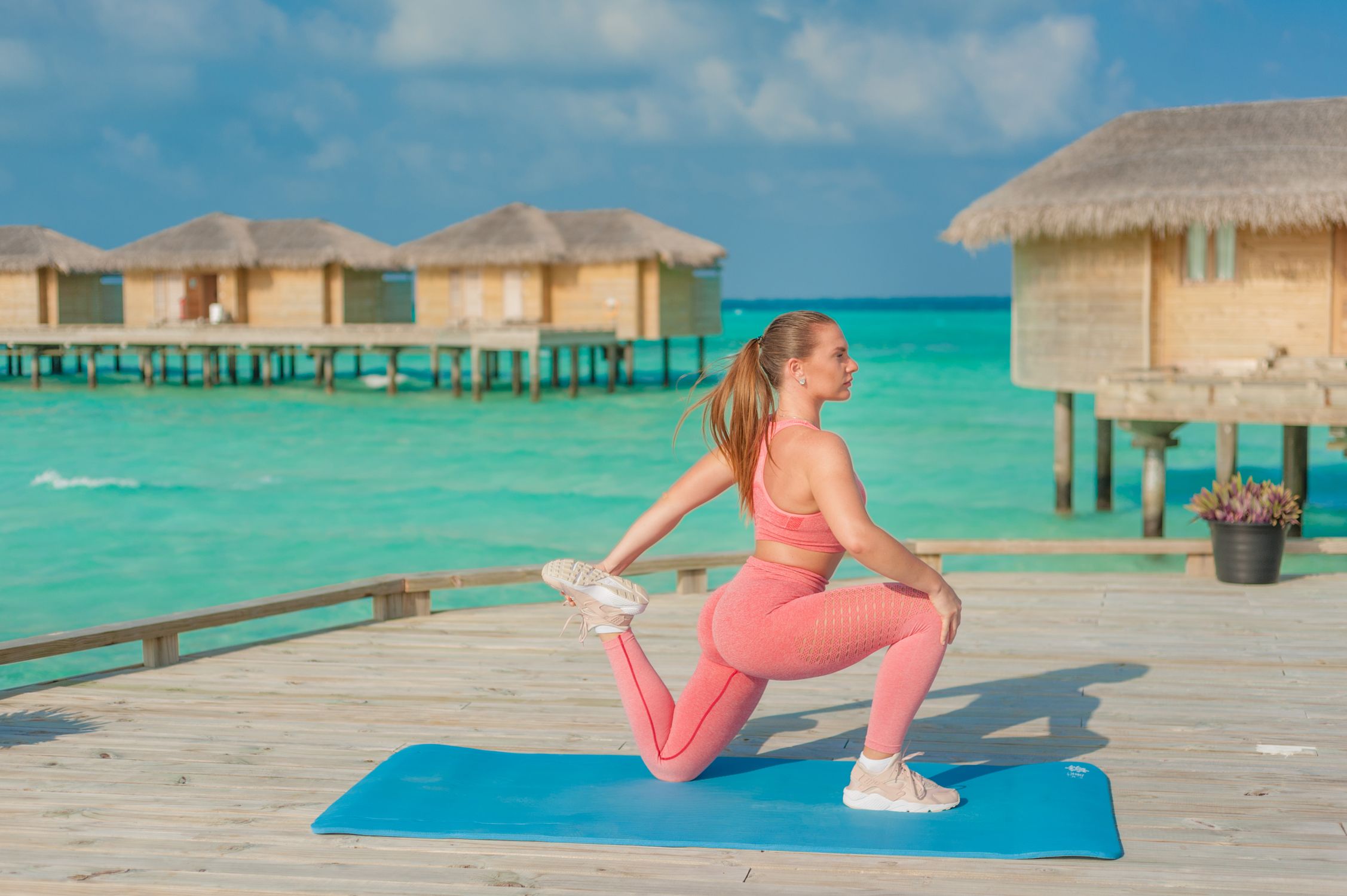
When you’re navigating airports, hostels, and boutique hotels, a good mat does more than provide a non-slip surface. It protects your skin from cold concrete, offers a stable base for balance poses, and signals to yourself that self-care is non-negotiable. Many women are looking for a reliable mat that can travel as lightly as a daypack while still honoring the planet. A mat that folds flat, weighs under 2 lb, and is free from PVC or phthalates lets you practice anywhere — from a rooftop in Bangkok to a quiet park in Lisbon — without compromising health or ethics.
Key Factors to Choose a Travel Yoga Mat
| Factor | What to Look For | Why It Helps Solo Travelers |
|---|---|---|
| Weight and Pack Size | Under 2 lb, folds or rolls to 10 inches or less | Easier to slip into a carry-on or daypack, leaving your hands free for a water bottle or passport. |
| Thickness and Cushioning | 1.5 mm to 2 mm; consider knee-sensitivity | Thin mats save space but may need a towel under knees on hard floors; thicker mats add comfort but bulk up. |
| Material and Eco-Credentials | Natural rubber, eco-polyurethane, TPE; PVC-free | Reduces exposure to toxic chemicals and aligns with sustainable travel values. |
| Grip and Texture | Sea-grass, GripForMe, microfiber towel | Prevents slipping when you sweat, especially in hot-climate destinations. |
| Length and Width | At least 71 inches for tall users; 26 inches wide for freedom | Accommodates a range of body types and flow styles without feeling cramped. |
| Price vs. Value | $20-$110 range; consider durability | A higher-priced mat may last longer, but budget-friendly options can still perform well if cared for. |
Top Picks for Solo Female Travelers
Below are the seven vetted mats that hit the sweet spots above. Each product block includes price range, specs, who it’s best for, and a quick pros/cons snapshot.
Manduka eKO Superlite Travel Yoga Mat — 1.5mm Natural Tree Rubber
- Price: $35-$45
- Specs: 1.5 mm thick, 71 x 24 in, 2 lb, natural tree rubber (non-Amazon harvested), 99% latex-free, foldable, sea-grass texture.
- Best For: Eco-conscious travelers who need a lightweight, zero-compromise grip mat that rolls or folds into a carry-on.
- Pros: Sustainably sourced natural rubber; only 2 lb; 99% latex-free; sea-grass texture offers excellent grip.
- Cons: Minimal cushioning for sensitive knees; natural rubber can degrade in direct sun if left out for long periods.
Liforme Travel Yoga Mat — 2mm Eco-Polyurethane with AlignForMe System
- Price: $90-$110
- Specs: 2 mm thick, 72 x 26 in, eco-polyurethane top with natural rubber base, PVC-free, includes free yoga bag, GripForMe surface.
- Best For: Solo travelers who practice alignment-focused yoga and want a built-in posture guide without a teacher.
- Pros: Patented AlignForMe grid guides posture; GripForMe surface stays grippy when sweaty; wider 26-in width gives extra room.
- Cons: Premium price; heavier than ultra-thin options at approximately 2 kg.
JadeYoga Voyager Yoga Mat — 1/16 inch Natural Rubber Foldable
- Price: $50-$65
- Specs: 1.6 mm thick (1/16 in), 68 x 24 in, 1.5 lb, open-cell natural rubber, folds to yoga-block size, made in USA.
- Best For: Eco-minded solo travelers who want the lightest natural rubber mat on the market with a tree-planting mission.
- Pros: Lightest rubber mat at 1.5 lb; folds to block size; each purchase plants a tree.
- Cons: Thin profile offers less cushioning; open-cell rubber absorbs moisture, requiring thorough drying.
Gaiam Foldable Travel Yoga Mat — 2mm PVC Non-Slip
- Price: $22-$32
- Specs: 2 mm thick, 68 x 24 in, 2 lb, non-toxic PVC, folds to 10 x 12 in square, sticky texture, scored fold lines.
- Best For: Budget-conscious travelers who want a reliable foldable mat that fits in a carry-on tote without spending more than $30.
- Pros: Most affordable option; scored fold lines keep it compact; sticky PVC grips most studio floors.
- Cons: PVC is less eco-friendly; grip can slip on smooth hotel tiles when sweaty.
Gaiam Soft-Grip 2-in-1 Travel Yoga Mat — Microfiber Towel Surface
- Price: $40-$55
- Specs: 2 mm thick, 72 x 26 in, rubber base with microfiber towel top, carrying strap included, moisture-wicking and fast-drying.
- Best For: Hot-yoga practitioners and tropical-destination travelers who sweat heavily and want mat plus towel in one item.
- Pros: Fast-drying microfiber surface eliminates slipping; 2-in-1 design saves suitcase space; wider 26 in width.
- Cons: Not foldable — rolls only, taking more suitcase volume; microfiber needs a light rinse after intense sweat sessions.
JadeYoga Voyager Yoga Mat — 1/16 inch Portable Rubber, Black 68 inch
- Price: $52-$68
- Specs: 1.6 mm thick, 68 x 24 in, 1.5 lb, natural open-cell rubber, portable and foldable, free of PVC and phthalates, made in USA.
- Best For: Solo travelers who prioritize chemical-free gear and want a premium eco mat that folds into carry-on luggage.
- Pros: Free from PVC, phthalates, heavy metals; natural rubber grip outperforms synthetic in humidity; partnership plants a tree per purchase.
- Cons: Thin profile may need a folded towel under knees; new rubber has a slight scent that dissipates after a week of airing.
Manduka eKO Superlite Yoga Mat — 71 inch Foldable Travel Mat, Acai Purple
- Price: $38-$48
- Specs: 1.5 mm thick, 71 x 24 in, 2 lb, natural tree rubber, foldable and rollable, sea-grass texture surface, 99% latex-free.
- Best For: Women who want a slightly longer mat for tall body frames while keeping the ultra-thin portable profile.
- Pros: 71-inch length accommodates taller practitioners; folds flat and rolls — versatile packing; vibrant color options.
- Cons: Thin at 1.5 mm; requires spray-and-wipe cleaning; soaking or soap damages the rubber.
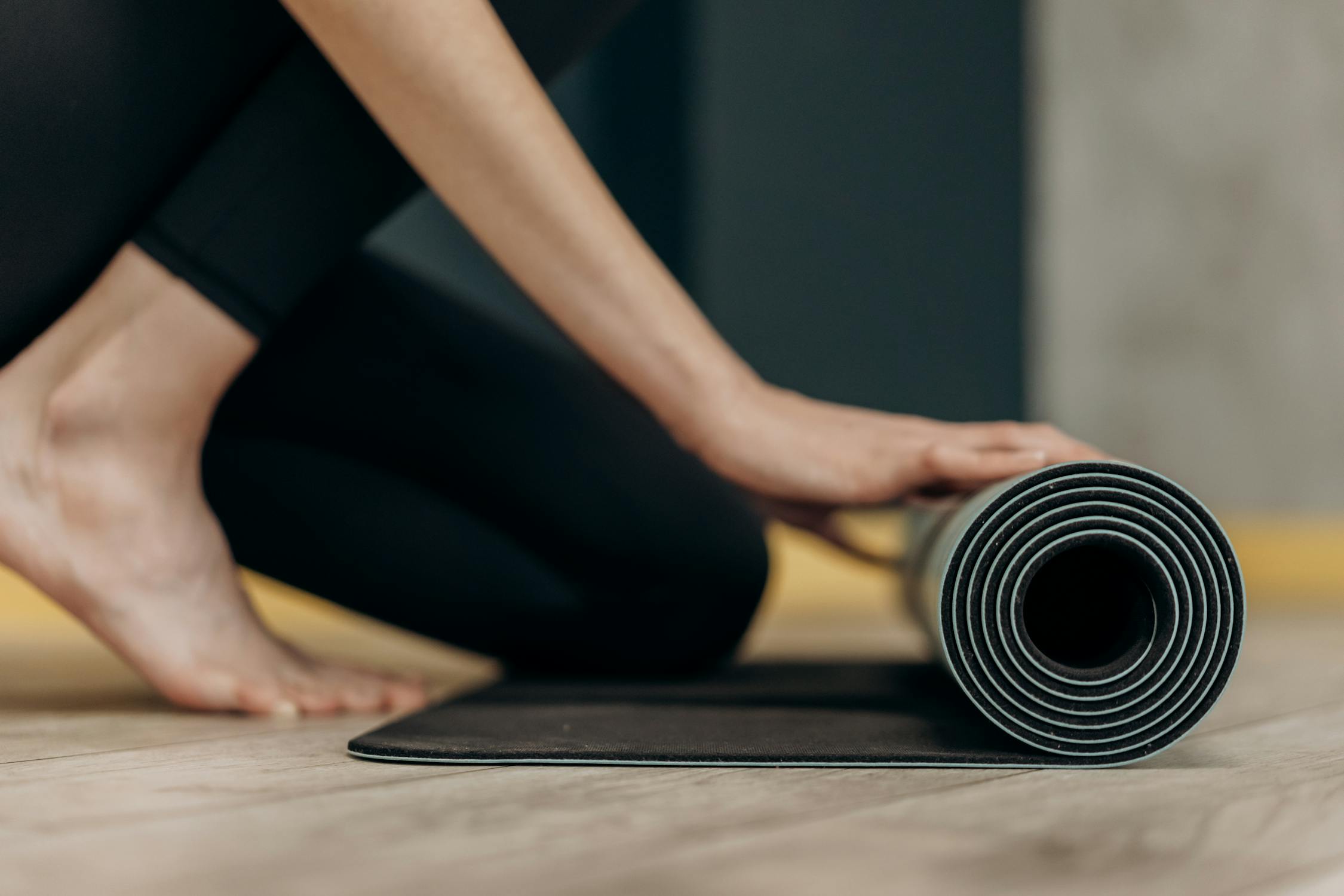
How to Pack and Care for Your Mat While Traveling
- Roll vs. Fold: Most natural-rubber mats (Manduka eKO, JadeYoga Voyager) can be folded, which reduces thickness to a flat rectangle — perfect for tight suitcase corners. PVC-based mats like Gaiam’s foldable version rely on scored lines; make sure the fold stays crisp to avoid creasing.
- Use a Carrying Sleeve or Bag: Even if the mat folds, a lightweight sleeve protects it from dirt and scratches. The Liforme Travel Yoga Mat already includes a free bag; for others, a simple canvas sleeve works well.
- Cleaning On-the-Go: Spray a mixture of water and a few drops of mild soap, then wipe with a soft cloth. Avoid soaking natural rubber; let it air-dry completely before packing to prevent mold. The Gaiam Soft-Grip’s microfiber surface can be rinsed quickly, then hung to dry.
- Sun Exposure: Natural rubber degrades under prolonged UV. If you’re sun-bathing on a balcony, roll the mat up and store it in a bag when not in use.
- Travel-Friendly Storage Tips: Slip the rolled or folded mat into the side pocket of a backpack, or place it at the bottom of a suitcase under clothes for added protection.
For a deeper dive into packing techniques, Manduka’s guide on packing your yoga mat for travel is a practical resource.
Sustainability and Safety: Yoga Mats for Conscious Travelers
Solo female travelers often lead the charge on responsible tourism. Choosing a mat made from natural tree rubber, eco-polyurethane, or TPE reduces exposure to PVC, phthalates, and heavy metals — substances that can off-gas into cramped hotel rooms.
- Manduka eKO and JadeYoga Voyager both use sustainably harvested natural rubber, with Manduka emphasizing a 99% latex-free formula.
- Liforme’s AlignForMe system is built on a PVC-free eco-polyurethane top, and the brand’s website details their carbon-neutral manufacturing.
- JadeYoga partners with Trees for the Future, planting a tree for every mat sold.
Beyond materials, look for certifications or affiliations with Yoga Alliance to ensure the brand adheres to industry standards for safety and ethical production.
Budget vs. Premium: Finding Your Sweet Spot
If you’re traveling on a shoestring budget, the Gaiam Foldable Travel Yoga Mat delivers reliable grip for under $30. It’s a solid starter, especially if you’re staying in hostels with smooth tile floors — just be mindful of the PVC composition.
For those willing to invest a bit more for longevity and eco-impact, the Manduka eKO Superlite and JadeYoga Voyager sit in the $35-$68 range, offering a balance of weight, durability, and sustainability.
The Liforme Travel Yoga Mat sits at the high end ($90-$110) but brings the AlignForMe grid — a built-in teacher that can be priceless for solo practitioners still mastering alignment.
Finally, the Gaiam Soft-Grip 2-in-1 is a niche champion for hot-yoga lovers; its microfiber towel surface may justify the mid-range price if you frequently practice in humid climates.
When budgeting, consider the total cost of ownership: a slightly pricier mat that lasts five years beats a $20 mat that needs replacing after a year of heavy travel.
Embracing the Solo Journey with Your Mat
Your mat is more than a piece of equipment; it’s a portable altar for intention-setting, a reminder that you deserve moments of stillness even amid bustling airports. By choosing a mat that aligns with your weight limits, eco-values, and practice style, you reinforce the self-care mantra that fuels confident solo travel. According to the Solo Female Travelers Club 2026 report, nearly 40% of female travelers expressed interest in traveling solo in 2025, and the yoga tourism market is booming — projected to hit $222.5 billion by 2030, according to SkyQuest’s yoga tourism forecast. You’re part of a growing community that values wellness on the move.
So, unroll, breathe, and let each stretch be a celebration of your independence. Happy travels, sister.
Related Reading
Get price-drop alerts and new guides from HerTripGuide
One email a week: price drops on the gear we recommend, new guides, and what changed. No spam, unsubscribe anytime.