Solo Female Travel in the Azores: 2026 Island Hopping Guide
Europe's safest solo-female destination in 2026. Island-hop the Azores: volcanic lakes, whale-rich waters, hydrangea roads, and a perfect May-June itinerary.

This post may contain affiliate links. Disclosure
The Azores feel like a secret garden tucked in the Atlantic, and in 2026 they have earned a reputation as one of the safest places on Earth for solo women travelers. With a low crime rate and a U.S. State Department Level 1 advisory, you can explore volcanic lakes, blooming hydrangeas, and whale-rich waters without a hint of fear.
Are the Azores good for solo female travel? Yes — the Azores carry a U.S. State Department Level 1 advisory and a low crime rate, making them one of Europe’s safest solo destinations. May and June are the sweet spot. Start on São Miguel, then island-hop to Pico by flight or ferry for volcanic lakes and whale watching.
Safety: The U.S. State Department rates Portugal Level 1 - Exercise Normal Precautions. The UK Foreign Office notes: “Crime rates are low but pickpocketing, bag-snatching and theft from holiday properties are common in major tourist areas. Foreign-registered and hire cars are often targeted by thieves.” (US advisory · UK FCDO, updated 2026-07-03). This guide walks you through the perfect May-June window, the easiest ways to hop between nine emerald islands, and the two must-visit spots that will make your first Azores adventure unforgettable. Pack your curiosity, your favorite pair of hiking boots, and let’s set sail together.
Why the Azores Feel Like Home for Solo Women
Safety is not a buzzword here — it is a reputation. The Azores are widely regarded as one of the lowest-crime destinations in Europe. The islands’ small-town vibe means locals know each other’s names, and that community spirit extends naturally to visitors. You will often hear a friendly “Bom dia!” from shopkeepers, and cafes are completely accustomed to solo diners claiming a table for one.
Beyond numbers, the natural landscape invites confidence. Trails are well-marked, and many viewpoints have built-in railings. The subtropical climate — summer highs of 19-22 degrees Celsius (66-71 degrees Fahrenheit) and winter lows rarely under 13 degrees Celsius (55 degrees Fahrenheit) — means you will not be battling extreme weather while navigating unfamiliar paths. The islands also celebrate body-positivity; you will see locals of every shape and size enjoying the outdoors, which helps any traveler feel welcome in their own skin.
Tourism in the archipelago hit a historic high in 2025, with 4.5 million overnight stays — a 4.5% increase over 2024 — and 1.4 million guests welcomed across the nine islands. That growth reflects a destination maturing in its infrastructure without yet losing the quietude that makes it special for solo explorers.
When to Go: The Sweet Spot of May-June
May and early June are the golden months for solo explorers. According to the Azores Getaways weather guide, this period offers:
- Peak whale-watching — over 25 cetacean species roam the waters, and resident sperm whales are nearly guaranteed sightings.
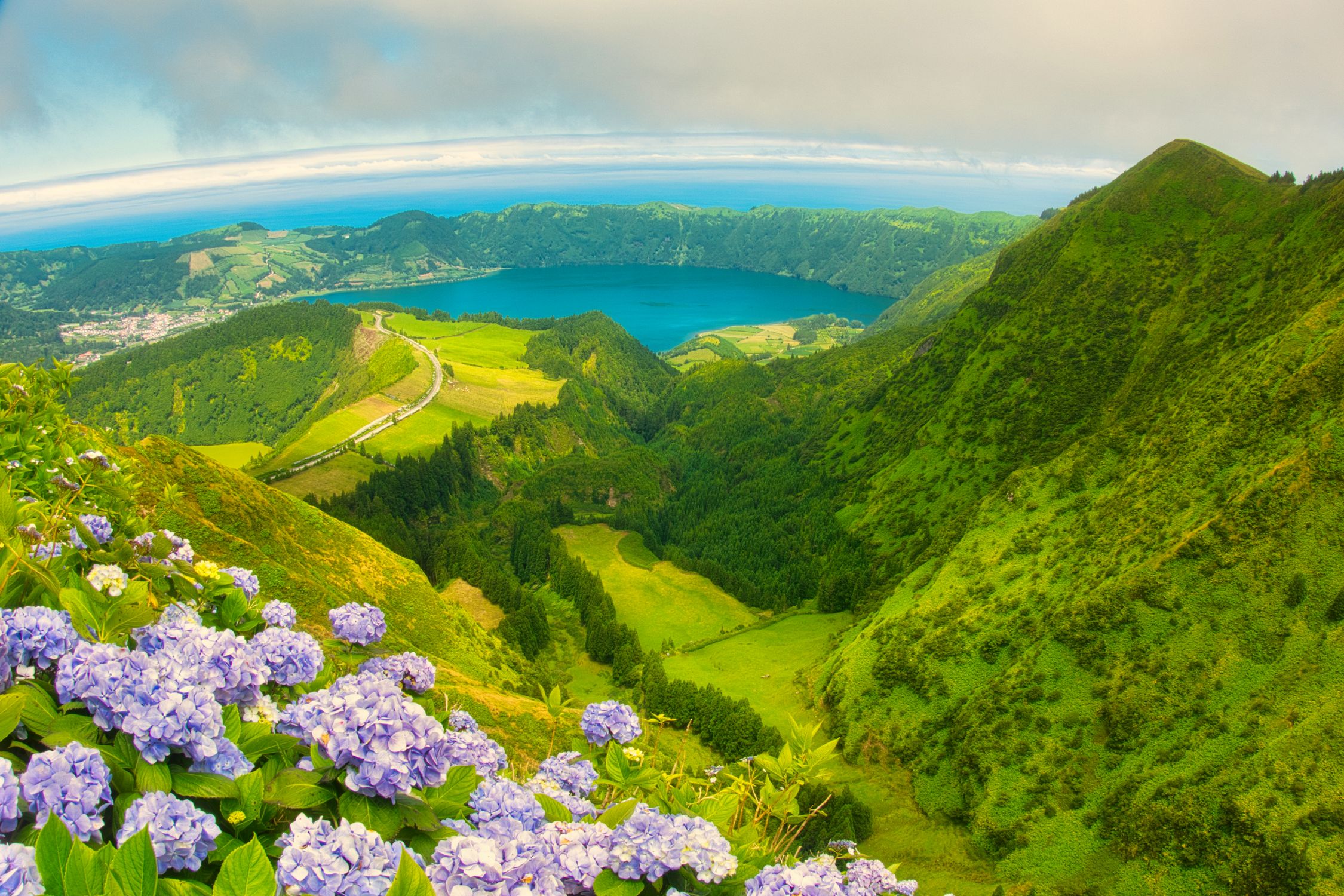
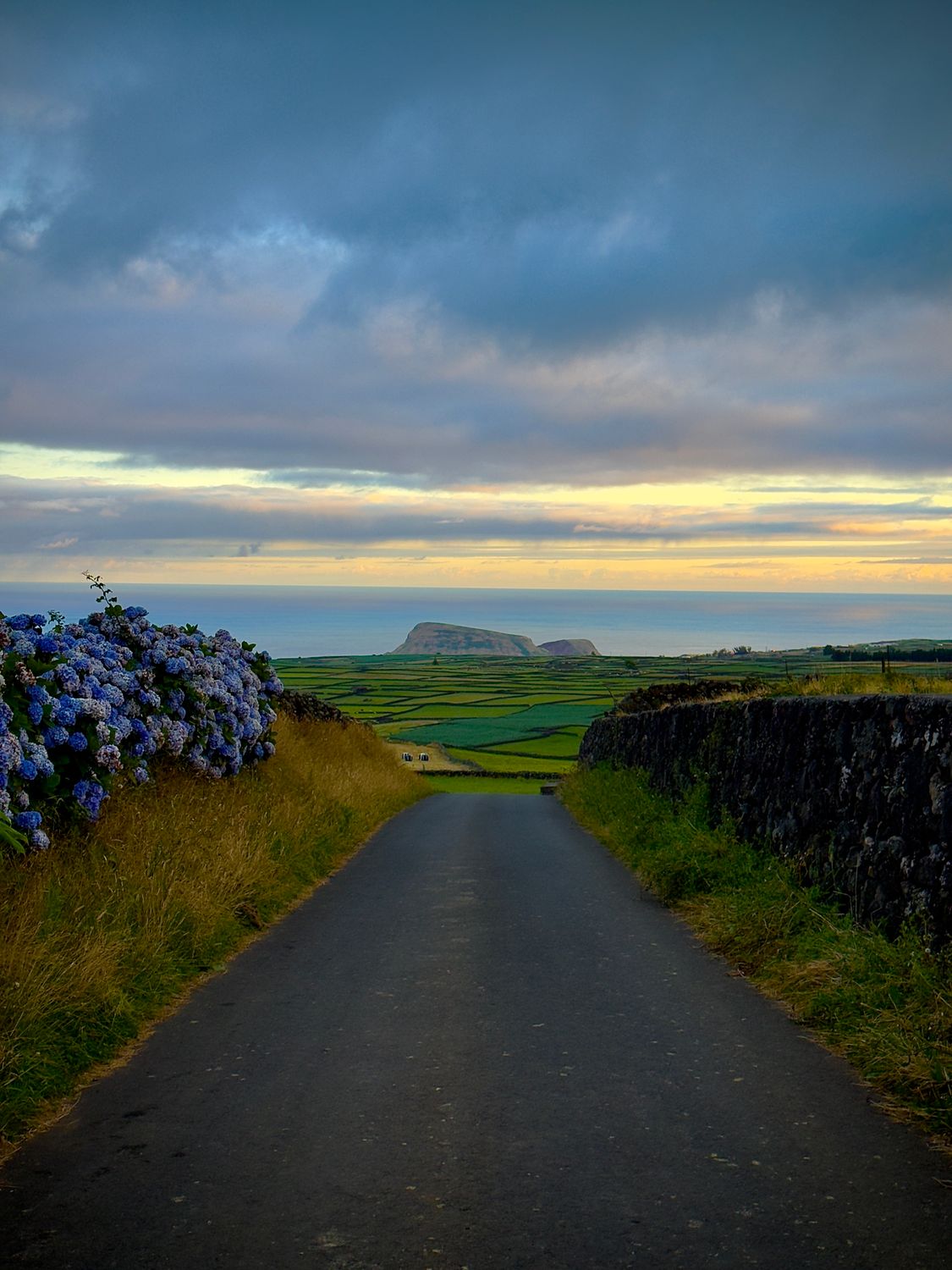
- Hydrangea bloom — the iconic blue flowers carpet roads and cliffs, creating picture-perfect backdrops for your travel journal.
- Fewer crowds — tourist numbers are lower than the July-August rush, meaning you will have more space on popular trails and at popular cafes.
The climate is comfortably warm, and the sea temperature begins to rise, making boat tours pleasant without the summer crowds. If you are flexible, aim for the first two weeks of June; you will catch the tail end of the spring bloom and the start of the summer festival calendar.
Getting There & Staying Legal
Visa & ETIAS
Citizens of 59 visa-exempt countries — including the U.S., UK, Canada, and Australia — can stay up to 90 days within any 180-day period, thanks to the Schengen arrangement (azores.net). Starting late 2026, U.S. and Canadian travelers will need an ETIAS (European Travel Information and Authorisation System) approval. It is an online pre-clearance, not a visa, and usually takes a few minutes to obtain. Plan this step early; the portal is straightforward and the fee is modest.
Currency & Payments
The Euro is the official currency. Credit cards are widely accepted in hotels, larger restaurants, and most tour operators. In smaller villages and local markets, carrying some cash is wise — many family-run eateries prefer cash for quick service. ATMs are plentiful on the larger islands (Sao Miguel, Terceira, Pico) and dispense euros without extra fees for most major cards.
Flights In
Most international travelers connect through Lisbon or Porto. From there, a short 2-hour flight lands in Ponta Delgada (Sao Miguel), the archipelago’s main gateway. Check the U.S. State Department travel advisory for Portugal for any updates before you book — the current Level 1 rating (Exercise Normal Precautions) has been in place since December 2025.
Official Resources
These sites provide up-to-date information on health protocols, seasonal events, and practical travel tips.
Island-Hopping Made Easy: Flights and Ferries
The archipelago’s nine islands are linked by two reliable networks: SATA Air Acores (air) and Atlanticoline (ferry). Both prioritize punctuality and safety — essential for solo travelers who need predictable schedules.
SATA Air Acores
In summer 2026, SATA operates approximately 572 inter-island flights per week, connecting every inhabited island. Resident fares start at 35 euros one-way, while tourist tickets typically range 50-100 euros (azoresairlines.pt). Flights are short (30-45 minutes) and depart from Ponta Delgada, Terceira, and Faial airports. Booking online is simple; the site shows real-time availability and offers a flexible ticket option — handy if you decide to linger longer on a favorite island.
Atlanticoline Ferries
For a more scenic route, the Atlanticoline ferry system runs daily between the main islands. A typical Sao Miguel to Pico crossing costs approximately 30 euros and takes about 2 hours. Full schedules and prices are listed at byacores.com. Ferries are equipped with indoor seating, a small cafe, and wheelchair-friendly access — perfect for a relaxed day of sea-air transition.
Practical Tips for Solo Hop-On
- Reserve flights first — they fill up quickly during the May-June window.
- Use Atlanticoline for longer legs where you want to enjoy the ocean view.
- Print or screenshot your boarding passes — Wi-Fi can be spotty on smaller islands.
- Carry a small day-pack with a reusable water bottle, sunscreen, and a portable charger.
- Check luggage limits — SATA allows one cabin bag (23 L) and a personal item free of charge.
First Stop: Sao Miguel — The Friendly Introductory Island
Sao Miguel, the “Green Island,” is the perfect launchpad for solo travelers. Its capital, Ponta Delgada, offers a blend of historic charm and modern amenities — reliable Wi-Fi, English-speaking staff, and a range of hostels and boutique hotels that cater to solo guests.
Must-See Highlights
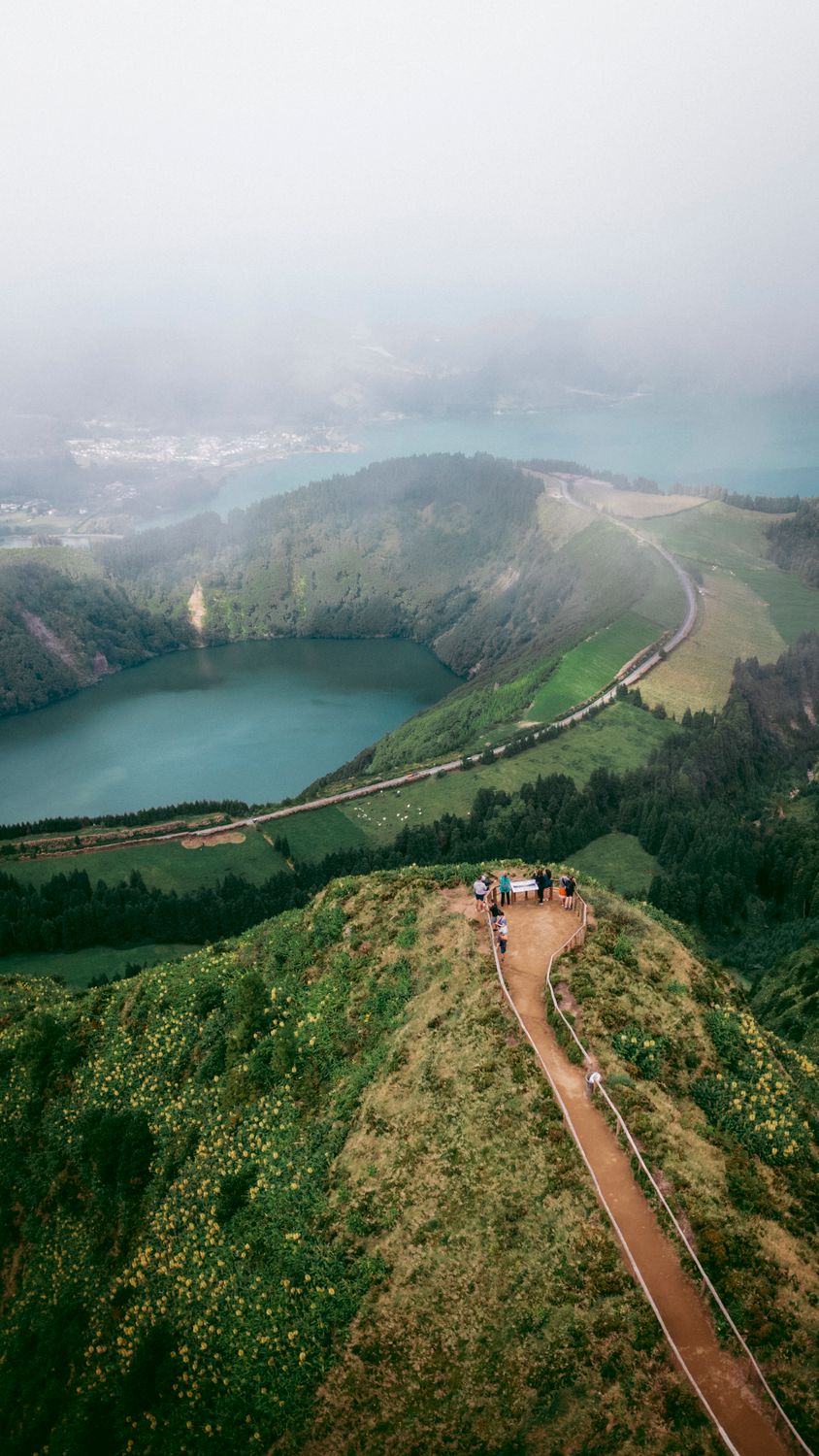
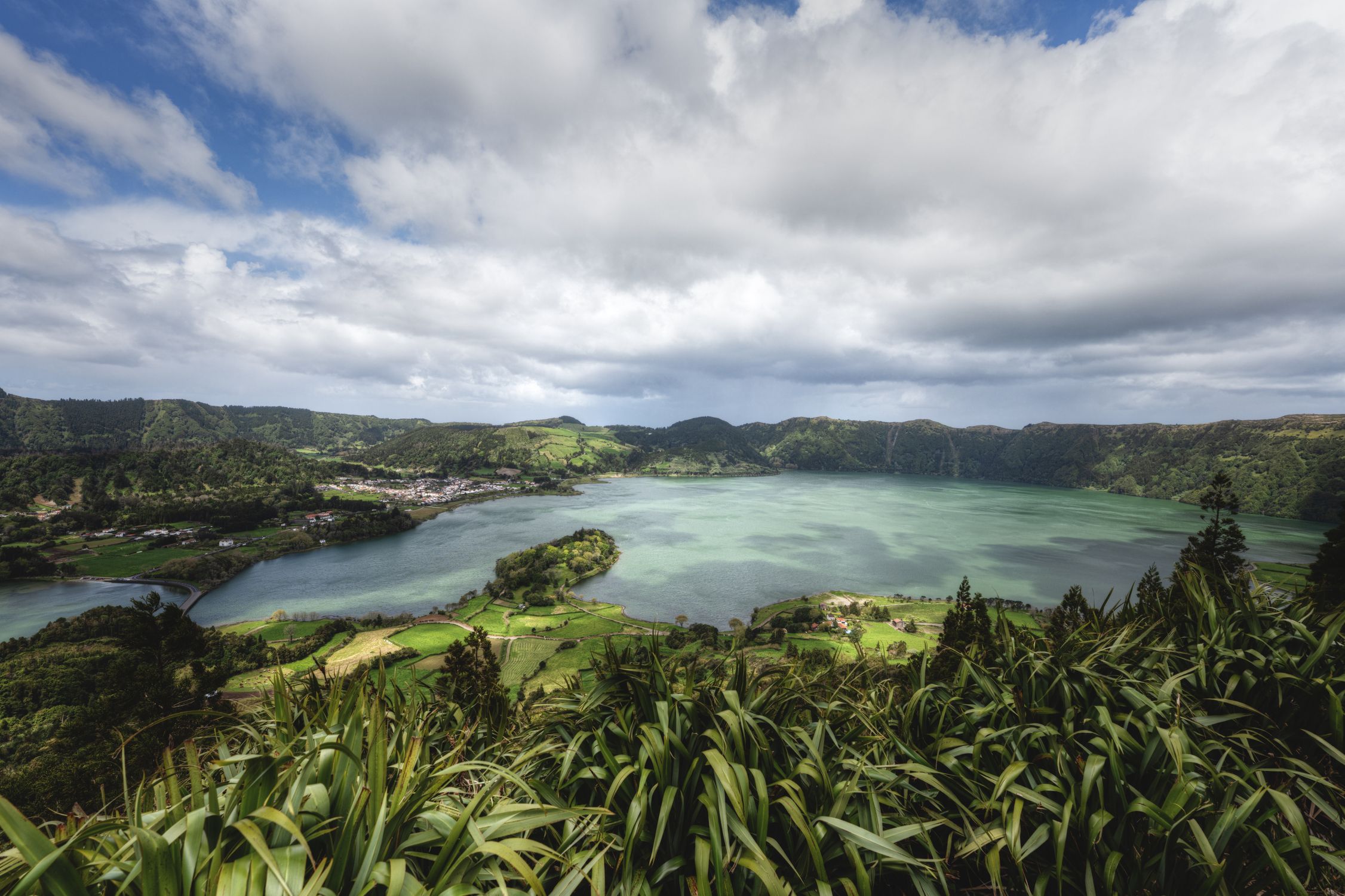
- Sete Cidades — Two crater lakes (Lagoa Verde and Lagoa Azul) framed by towering cliffs. Hike the Vista do Rei trail for a panoramic view; the path is well-marked and suitable for all fitness levels.
- Furnas — A geothermal wonderland where you can soak in hot springs and taste the traditional “Cozido das Furnas” cooked underground by volcanic heat. The town’s main square feels safe day and night, with plenty of cafes where you can strike up a conversation.
- Lagoa do Fogo — A more secluded lake that rewards the adventurous with crystal-clear water and dramatic scenery. Early-morning visits avoid the occasional tourist bus crowd and give you the lake almost entirely to yourself.
Solo-Friendly Activities
- Whale-watching tours — Depart daily from Ponta Delgada’s harbor. Tours are 3-4 hours, include a knowledgeable guide, and provide life vests for all passengers. Futurismo and Terra Azul are two well-regarded operators with strong safety records.
- Guided hiking groups — Several local operators run small-group hikes (max 6 people) that are perfect for meeting fellow travelers while staying safe.
- Cooking class — Learn to make “Bolo Levedo” (traditional sweet bread) in a women-run kitchen; the intimate setting makes it easy to ask questions and share stories.
Where to Stay
Choose accommodations in the city centre or the Ribeira Grande area. Hostels often have communal kitchens and lounge spaces, encouraging social interaction without compromising privacy. If you prefer a boutique feel, look for guesthouses that offer single rooms with private bathrooms — many provide a welcome drink and a quick safety briefing for first-time solo guests.

Next Adventure: Pico — For the Bold Explorer
When you are ready to step out of the comfort zone, Pico Island beckons with its dramatic volcanic landscape and a reputation for outdoor thrills. The island’s centerpiece, Mount Pico, towers at 2,351 meters, making it Portugal’s highest peak and a bucket-list climb for many solo adventurers.
Highlights Worth the Trip
- Mount Pico ascent — A 7-hour round-trip trek that requires a good level of fitness. The trail is well-marked, and you will often encounter fellow hikers, creating a natural support network. Book a guided climb (mandatory for safety) through a local outfit; guides carry first-aid kits and know the safest routes.
- Lajes do Pico — A charming fishing village where you can watch traditional whaling boats and enjoy fresh seafood at family-run tavernas. The harbor area is well-lit and frequented by locals, adding a natural layer of security for solo travelers arriving in the evening.
- Wine culture — Pico’s UNESCO-listed vineyards are planted in black volcanic soil. Join a wine-tasting tour that includes a walk through the “currais” (stone walls) and a lesson on the island’s unique viticulture.
Practical Solo Tips for Pico
- Rent a car — Public transport is limited; a compact rental (approximately 30 euros per day) gives you the freedom to explore remote spots on your own schedule.
- Pack layers — Even in May, summit temperatures can drop below 5 degrees Celsius (41 degrees Fahrenheit), so a warm jacket is non-negotiable.
- Stay connected — Purchase a local SIM card (Vodafone or MEO) at the airport; coverage is strong in towns and along main roads.
- Carry a whistle — While the island is safe, a whistle adds a small safety net during isolated hikes.
- Respect the environment — Pico’s landscape is fragile; stick to marked trails and take all trash back with you.
Where to Rest
Accommodations in Madalena or Lajes do Pico offer single rooms with ocean views. Many hostels provide bike rentals, allowing you to explore the coastline at your own pace. Look for places that list 24-hour reception — a reassuring feature for solo travelers arriving late after a ferry crossing.
Staying Safe, Savvy, and Sustainable
Safety Checklist
| Item | Why It Matters |
|---|---|
| ETIAS approval | Required for entry after late 2026; prevents last-minute denial at the border. |
| Travel insurance | Covers medical emergencies, lost luggage, and unexpected trip changes. |
| Copy of passport | Keep a digital scan on your phone and a printed copy in a separate bag. |
| Local emergency number | 112 works across Portugal and the Azores. |
| Daily itinerary shared | Let a friend or family member know your plans; a quick text check-in adds peace of mind. |
Cultural Etiquette
- Greeting — A simple “Bom dia” (good morning) goes a long way with locals.
- Tipping — Not mandatory, but rounding up the bill (5-10%) is appreciated in restaurants.
- Dress — Casual attire is fine, but when visiting churches or historic sites, cover shoulders and knees out of respect.
Sustainable Travel Practices
- Choose ferries over flights when time allows; the lower carbon footprint helps preserve the islands’ pristine air quality.
- Support local businesses — Buy crafts directly from artisans and eat at family-run eateries rather than chain restaurants.
- Leave no trace — Pack a reusable water bottle and refuse single-use plastics; many cafes offer refill stations.
Health & Wellness
The Azores’ clean air and moderate climate make them ideal for outdoor wellness. Many hostels offer yoga classes on the beach at sunrise, and the geothermal pools in Furnas on Sao Miguel and Biscoitos on Terceira provide a natural alternative to hotel spas. If you need a medical visit, the Hospital de Santo Espirito da Ilha Terceira and the main facilities in Ponta Delgada both have English-speaking staff available.
Final Empowering Thought
You are stepping onto islands where nature, safety, and community converge. The Azores invite you to trust your instincts, follow your curiosity, and celebrate every solo triumph — whether that is spotting a humpback whale off Pico, reaching the summit of Mount Pico at first light, or simply sipping a glass of volcanic-soil wine as the sun sets over the Atlantic horizon.
Related Reading
Get price-drop alerts and new guides from HerTripGuide
One email a week: price drops on the gear we recommend, new guides, and what changed. No spam, unsubscribe anytime.