Solo Female Travel in the Canary Islands: 2026 Guide
Year-round solo female travel guide to the Canary Islands 2026: safety stats, ETIAS, ferry routes, island highlights, and budget tips for confident women travelers.

This post may contain affiliate links. Disclosure
The Canary Islands feel like a perpetual summer playground, and they’re surprisingly welcoming for women traveling alone. In 2026 the archipelago logged over 18 million foreign visitors. Pickpocketing is noted as a higher-risk activity, but violent crime stays low, meaning you can explore volcanic landscapes, golden dunes, and charming villages with confidence. Tourism here generates direct and indirect employment for over 400,000 people and represents more than 35% of regional GDP—locals have every reason to keep visitors happy and safe. This guide walks you through visas, the new ETIAS requirement, transport hacks, climate windows, island-by-island highlights, money matters, and practical safety tips—so you can focus on soaking up the sun, sea, and culture without unnecessary worry.
Are the Canary Islands safe for solo female travelers? Broadly yes: violent crime stays low and pickpocketing is the main risk across an archipelago that logged over 18 million foreign visitors. Tourism supports more than 400,000 jobs and over 35% of regional GDP. The guide covers ETIAS, ferries, flights, guaguas, car rental and money basics.
Getting There – Visas, ETIAS, and Flights
For most solo travelers from the United States, United Kingdom, Canada, Australia, and other visa-exempt nations, the Canary Islands (part of the Schengen Area) do not require a visa for stays under 90 days within any 180-day period. The official entry requirements are outlined by the Canary Islands tourism board: see the Administrative Requirements page.
Starting late 2026, U.S. citizens (and other eligible nationals) must obtain an ETIAS travel authorization before boarding a flight. The application costs €7 for travelers aged 18-70 and is processed online within minutes. You can start the process here: ETIAS official portal.
Most airlines operate direct flights to Tenerife (TFS) and Gran Canaria (LPA) from major European hubs. For a budget-friendly option, consider flying into Madrid or Barcelona and catching a low-cost carrier such as Ryanair, Vueling, or EasyJet. Once you land, the airport shuttles and TITSA guagua buses (see the transport section) will get you to your accommodation without hassle.
When to Visit – Climate, Crowds, and Best Activities
The Canary Islands enjoy a subtropical climate that stays mild year-round. From December to March temperatures hover between 15-21 °C (59-70 °F)—perfect for whale-watching, cultural tours, and relaxed beach strolls. June to September brings 20-30 °C (68-86 °F), ideal for surfing, sand-boarding, and sunset hikes.
If you prefer fewer crowds and optimal hiking conditions, aim for spring (March-May) or autumn (September-November). These shoulder seasons still offer warm days but see a dip in tourist numbers compared with the summer peak. In January 2026 alone, the islands welcomed 1.43 million visitors, a 5% rise over the previous year—proof that even the “off-season” feels lively, yet manageable. Foreign visitors spent EUR 2.47 billion in March 2026 alone, a 2.3% increase year-on-year, with an average per-tourist spend of EUR 1,804—a sign that the infrastructure for travelers is well-funded and improving.
Getting Around – Ferries, Flights, and Local Buses
Inter-Island Ferries
The archipelago’s islands are stitched together by a dense ferry network operated by Fred Olsen Express and Naviera Armas. The Tenerife-Gran Canaria route runs up to 15 times daily, while the Corralejo (Fuerteventura) to Playa Blanca (Lanzarote) corridor offers 20-plus sailings that take 25-35 minutes. Detailed schedules and ticket options are available at Ferryhopper’s 2026 guide.
Inter-Island Flights
If you’re short on time, Binter Canarias and Canaryfly operate short hops between the main islands, often under an hour. Prices are competitive, especially when booked a few weeks in advance.
Local Buses (Guaguas)
On Tenerife, the TITSA bus system is reliable and affordable. Purchase a rechargeable Ten+ card for €2; it grants a 20-30% discount on each ride. A weekly tourist pass costs €50 and covers unlimited travel on most routes, including the direct Route 343 to Teide National Park and Route 40 from the airport to Los Cristianos. The Ten+ card can be topped up at bus stations, kiosks, or via the TITSA app.
Car Rentals
If you crave flexibility, renting a car is straightforward in Tenerife, Gran Canaria, and Lanzarote. Major agencies are present at airports, and the roads are well-signposted in both Spanish and English. Remember that many rural villages have narrow lanes, so a compact car is often the best choice.

Safety First – Numbers, Perceptions, and Practical Tips
What the Stats Say
Safety: The U.S. State Department rates Spain (which includes the Canary Islands) Level 2 — Exercise Increased Caution. The UK Foreign Office notes: “Be alert to the risk of street crime. Thieves use distraction techniques and often work in teams.” (US advisory · UK FCDO, updated 2026-06-26).
Pickpocketing is a notably higher risk in the Canary Islands, especially in Las Palmas city centre, airports, and crowded beaches, with petty theft as the primary concern reported by visitors. Violent crime remains low.
Practical Safety Strategies
- Blend In: Dress in light, breathable clothing but avoid overly flashy accessories. A wide-brim hat, sunglasses, and a sturdy tote are perfect for sun protection and keeping valuables secure.
- Secure Your Belongings: Use a money belt or hidden pouch for passport and cash. In markets and on buses, keep bags zipped and front-facing.
- Stay Connected: Purchase a local SIM card (e.g., from Movistar or Vodafone) for reliable data; most cafes offer free Wi-Fi.
- Nighttime Navigation: Stick to well-lit streets, especially in larger towns like Las Palmas and Santa Cruz. Night buses are safe, but consider a short taxi ride if you’re returning late from a remote beach.
- Emergency Numbers: Dial 112 for police, medical, or fire emergencies. The local tourist police (Policia Local) are accustomed to assisting solo travelers.
- Pickpocket Prevention: Keep wallets in front pockets, use anti-theft backpacks, and be vigilant in crowded areas such as Playa de Las Canteras and the Triana shopping district.
By treating the islands as a series of well-connected neighborhoods rather than a single destination, you’ll naturally reduce exposure to the few high-risk spots identified.
Island Highlights – Where to Go and What to Do
Tenerife – Teide, Beaches, and Culture
Tenerife is the largest island and home to Teide National Park, a UNESCO World Heritage Site. The park received 4.46 million visitors in 2023, making it the most-visited national park in Spain. Mount Teide (3,718 m) is the highest peak on Spanish territory and the world’s third-tallest volcanic structure. Take the cable car to the summit for sunrise, or hike the Roques de Garcia trail for spectacular panoramas. For full park details, visit the official Teide site.

Beyond the volcano, the southern coast offers golden sands like Playa de las Americas, while the north boasts lush forests in Anaga Rural Park. The historic town of La Laguna, a UNESCO World Heritage site, is perfect for strolling through colonial streets and sampling local cafes.
Gran Canaria – Mountains, Resorts, and Nightlife
Gran Canaria’s landscape is a microcosm of the archipelago: dunes in Maspalomas, rugged cliffs in the north, and bustling urban life in Las Palmas.

For solo travelers, the Vegueta quarter offers quiet cobblestone lanes, boutique shops, and a vibrant tapas scene. If you’re looking for a night out, the Playa del Ingles promenade is lively yet safe, with plenty of bars that welcome solo patrons.
Lanzarote – Volcanic Art and Wine
Lanzarote’s volcanic drama is evident in the Timanfaya National Park, where guided tours reveal steaming craters and lava fields. The island’s artist-designed hotels—many conceived by local visionary Cesar Manrique—blend seamlessly with the landscape, offering unique stays that feel both luxurious and eco-friendly.
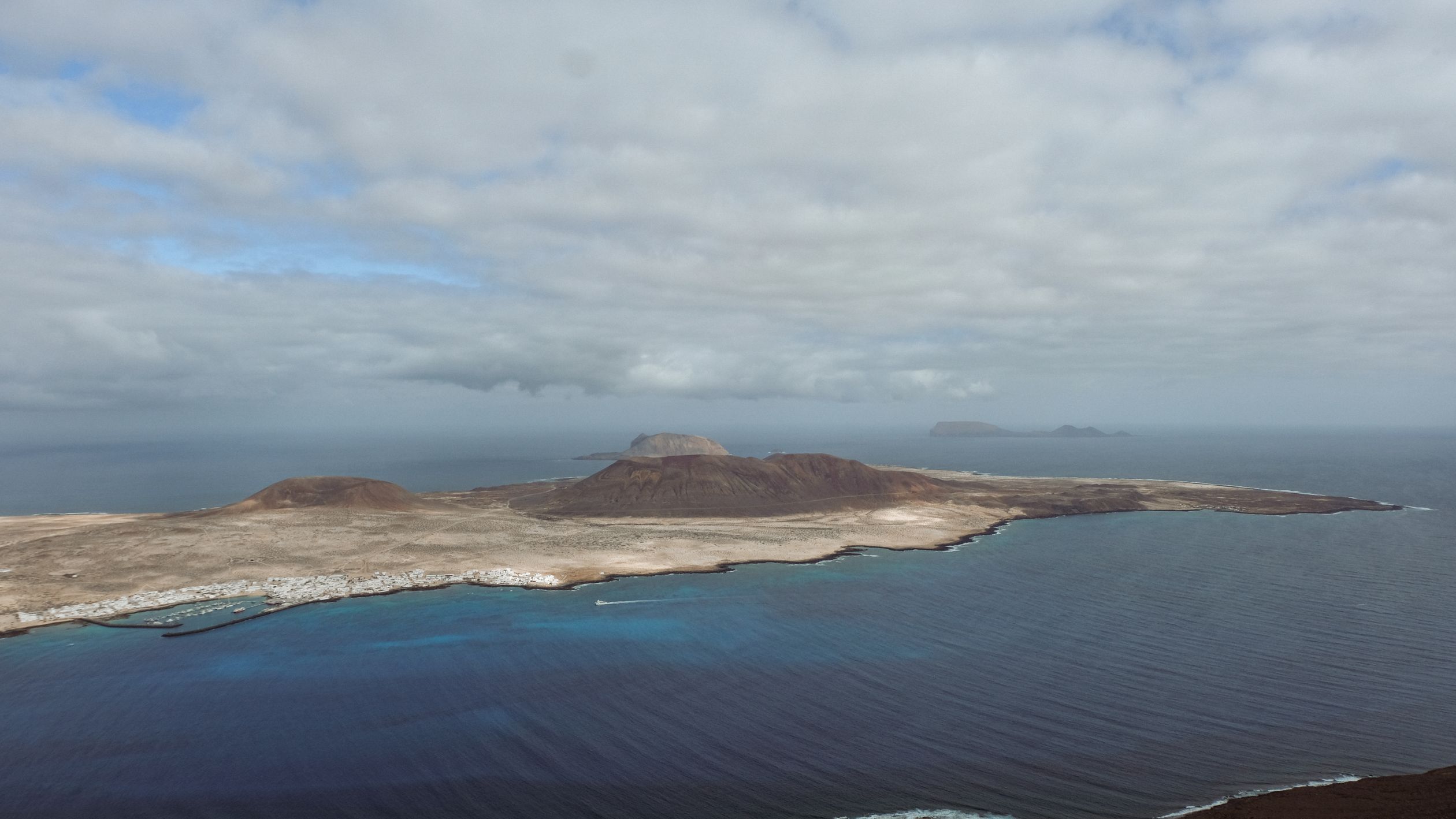
Don’t miss the wine region of La Geria, where vines grow in volcanic ash—perfect for a half-day tasting tour. The island’s small size makes it easy to explore by bike or scooter, and the Ferryhopper schedule ensures you can hop to neighboring islands in under an hour.
Fuerteventura – Winds, Waters, and Wide-Open Spaces
Fuerteventura is the beach lover’s dream: endless dunes, turquoise lagoons, and world-class windsurfing spots. Head to Corralejo Natural Park for sand-boarding, or join a guided sea-turtle watch tour in El Cotillo. The laid-back vibe means you can enjoy a solo sunset on the beach without feeling exposed.
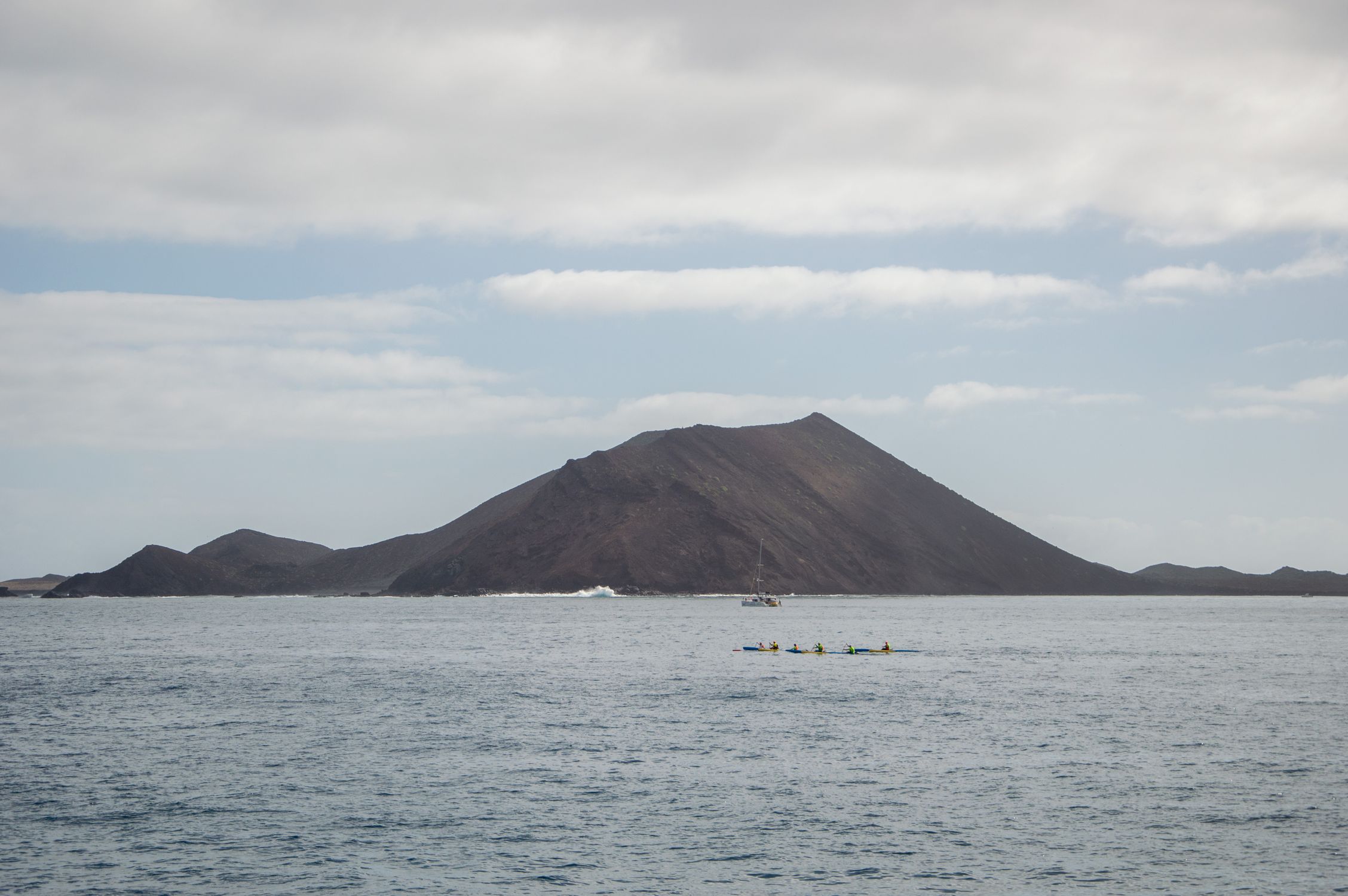
La Graciosa – The Untouched Mini-Island
Only a short ferry ride from Lanzarote, La Graciosa remains largely car-free, making it a perfect spot for cyclists and walkers. With just a handful of guesthouses, you’ll find intimate accommodations where hosts treat you like family. Its pristine beaches and quiet lanes feel like a secret haven that the mass-tourism crowd has yet to discover.
Practical Tip: Island-Hopping Itinerary
A popular 10-day loop for solo women looks like this:
- Days 1-3: Tenerife – Teide sunrise, historic La Laguna.
- Days 4-5: Gran Canaria – Maspalomas dunes, Vegueta tapas.
- Days 6-7: Lanzarote – Timanfaya, La Geria wine tour.
- Days 8-9: Fuerteventura – Corralejo dunes, surf lesson.
- Day 10: La Graciosa – bike around the island, sunset farewell.
All legs are covered by daily ferries or short flights, keeping travel time under two hours between stops.
Money & Everyday Essentials
The official currency is the Euro (EUR). Credit and debit cards are accepted almost everywhere—from upscale resorts to beachside chiringuitos. However, it’s wise to carry small cash (20-50 EUR) for local markets, rural bus stops, and small souvenir stalls where card terminals may be absent.
ATMs are plentiful in city centers and airports; most dispense notes in 5, 10, 20, 50, and 100 EUR denominations. Exchange rates are generally favorable, but avoid currency exchange kiosks at the airport that charge high commissions.
Mobile Connectivity
Purchase a pre-paid SIM at the airport (providers like Vodafone, Orange, or Movistar) for about €15 with 10 GB of data—enough for navigation, translation apps, and staying in touch with friends back home. Free Wi-Fi is common in cafes, hotels, and many public squares.
Health and Travel Insurance
While the Canary Islands have modern medical facilities, a travel insurance policy that covers medical evacuation is recommended. Many European insurers recognize the islands as part of the EU health system, but non-EU travelers should verify coverage before departure.
Staying Connected – Language, Apps, and Community
Spanish is the official language, but English is widely spoken in tourist zones, especially in hotels, restaurants, and on ferry booking sites. Learning a few basic phrases—“Hola!”, “Donde esta…?”—goes a long way in building rapport with locals and showing respect.
Helpful apps for solo female travelers include:
- Google Maps (offline maps for hiking trails)
- Moovit (public transport schedules)
- Ferryhopper (book ferries and view 2026 schedules) – Ferryhopper guide
Joining local women’s travel meet-ups on platforms like Meetup or Facebook Groups can provide companionship for a day-trip or a guided hike, adding an extra layer of safety and fun. Platforms like Booking.com and Hostelworld are particularly helpful for finding female-friendly accommodation with verified reviews from solo women travelers.
Sustainable Travel – Respecting the Islands
The Canary Islands rely heavily on tourism—over 35% of regional GDP and 400,000 jobs—so responsible travel matters. Stick to marked trails, avoid littering on beaches, and support locally owned businesses. Many islands have eco-certified accommodations that use solar power and water-saving technologies; staying in one helps preserve the natural beauty you came to enjoy. When booking through Airbnb, filter for verified superhosts with strong solo-traveler reviews to ensure a welcoming, secure stay.
Related Reading
Get price-drop alerts and new guides from HerTripGuide
One email a week: price drops on the gear we recommend, new guides, and what changed. No spam, unsubscribe anytime.