Solo Female Travel in Kyrgyzstan: Your 2026 Central Asia Guide
Explore Kyrgyzstan safely as a solo female traveler in 2026. Visa tips, budget advice, CBT yurt stays, transport hacks, top sights, and safety guidance.

This post may contain affiliate links. Disclosure
Traveling alone as a woman can feel like stepping into a story where you write every chapter. Kyrgyzstan, with its soaring Tian Shan peaks, open-hearted nomadic culture, and welcoming homestays, offers a perfect backdrop for that narrative. In 2026 the U.S. State Department rates the country Level 1: Exercise Normal Precautions, meaning it’s generally safe for travelers — just keep an eye on mountain roads and respect local customs. From the crystal-blue waters of Issyk-Kul to the sacred stone of Suleiman-Too, you’ll find a blend of adventure and warmth that feels like a trusted older sister cheering you on. Below is a practical, body-positive guide that covers everything you need to feel confident, comfortable, and truly connected while exploring Kyrgyzstan solo.
Is Kyrgyzstan safe for solo female travelers? The U.S. State Department rates Kyrgyzstan Level 1, Exercise Normal Precautions, so the main cautions are mountain roads and local customs. Daily budgets run around $17-23. Highlights include Issyk-Kul Lake, the sacred Suleiman-Too mountain in Osh, alpine valleys, and CBT yurt stays booked through community tourism.
Getting There and Visa Basics
The first step is figuring out how to cross the border legally and smoothly. U.S. citizens enjoy visa-free entry for up to 30 days within a 60-day window. If you plan to linger longer — perhaps to chase autumn colors in the Pamir foothills or to settle into a CBT yurt for a week — you’ll need to register your stay or apply for an electronic visa. The Official Kyrgyzstan e-Visa Application Portal is straightforward, typically taking a few business days, and the fee is modest.
Once you land — most solo travelers arrive via Istanbul or Moscow and connect to Bishkek’s Manas International Airport — you’ll find clear signage in English and Russian. The airport offers free Wi-Fi, which is handy for confirming your e-Visa status or downloading offline maps. For a quick safety refresher, the U.S. Embassy in Kyrgyzstan traveler page lists local health resources and emergency numbers.
Quick Visa Checklist
- Passport: Valid at least six months beyond your intended departure.
- E-Visa (if more than 30 days): Apply at least 5 days before travel.
- Arrival Form: Fill out the immigration card honestly; note any medical conditions.
- Registration: If staying in a guesthouse or yurt beyond 30 days, ask the host to register you with the local police (they’ll handle it for a small fee).
It’s worth knowing that the Kyrgyz-Kazakh and Kyrgyz-Uzbek borders are open for most nationalities with straightforward procedures. If you plan a multi-country Central Asia itinerary, building in a buffer day at each border crossing keeps the experience stress-free.
Money, Meals, and Budgeting
Kyrgyzstan’s official currency is the Kyrgyzstani Som (KGS). While Bishkek’s cafes and larger hotels accept cards, cash reigns supreme outside the capital and in the mountain villages where most CBT yurt camps sit. ATMs are common in Bishkek and Karakol, but they can be scarce in remote areas, so plan to withdraw enough for a few days at a time.
A solo traveler on a modest budget can comfortably live on $22-33 USD per day. This covers a clean hostel or guesthouse room, marshrutka (shared minibus) rides, and three meals — often a hearty bowl of lagman (noodle soup) for lunch and a simple plov (rice pilaf) for dinner. If you opt for a CBT yurt stay, expect to pay 1,500-2,000 KGS per night (roughly $17-23 USD) with breakfast and dinner included, giving you a taste of nomadic hospitality without breaking the bank.
Sample Daily Budget (USD)
| Item | Cost |
|---|---|
| Hostel/Guesthouse | $8-12 |
| Marshrutka ride (inter-city) | $3-5 |
| Meals (local restaurants) | $6-10 |
| Yurt camp (incl. meals) | $17-23 |
| Miscellaneous (souvenirs, tips) | $2-5 |
Remember to carry small change; many yurt hosts price meals in round KGS amounts, and a few coins can make the difference between a smooth transaction and a polite no-change-available moment. Tipping is not obligatory but is warmly appreciated — rounding up to the nearest 50 KGS is a common and welcomed gesture.
Getting Around: Marshrutkas, 4x4s, and Road Realities
Kyrgyzstan’s public transport network is built around marshrutkas — colorful minibuses that zip between towns, stopping on request. Fares range from 300-600 KGS per inter-city trip, making them the most economical way to hop from Bishkek to Karakol, from Osh to the remote village of Sary-Chelek, or to the trailheads that lead into the alpine valleys. Marshrutkas run frequently during daylight hours but can be sparse after sunset, so plan your arrival times accordingly.
For more remote destinations — think the high-altitude lake of Song-Kul or the rugged passes of Jety-Oguz — private 4x4 hires are common. Shared 4x4s cost $35-50 USD per person and usually include a driver who knows the mountain roads like the back of his hand. This is the safest way to navigate steep, sometimes unpaved routes, especially during the early summer melt when streams can swell unexpectedly.
The primary risk for solo travelers is the condition of mountain roads, not crime. According to the U.S. State Department Kyrgyzstan travel advisory and the Solo Female Travelers Network, occasional unwanted attention (stares, questions about marital status) may occur in rural villages, but outright harassment is rare. Always wear a seatbelt, keep your phone charged, and let someone know your route for the day.

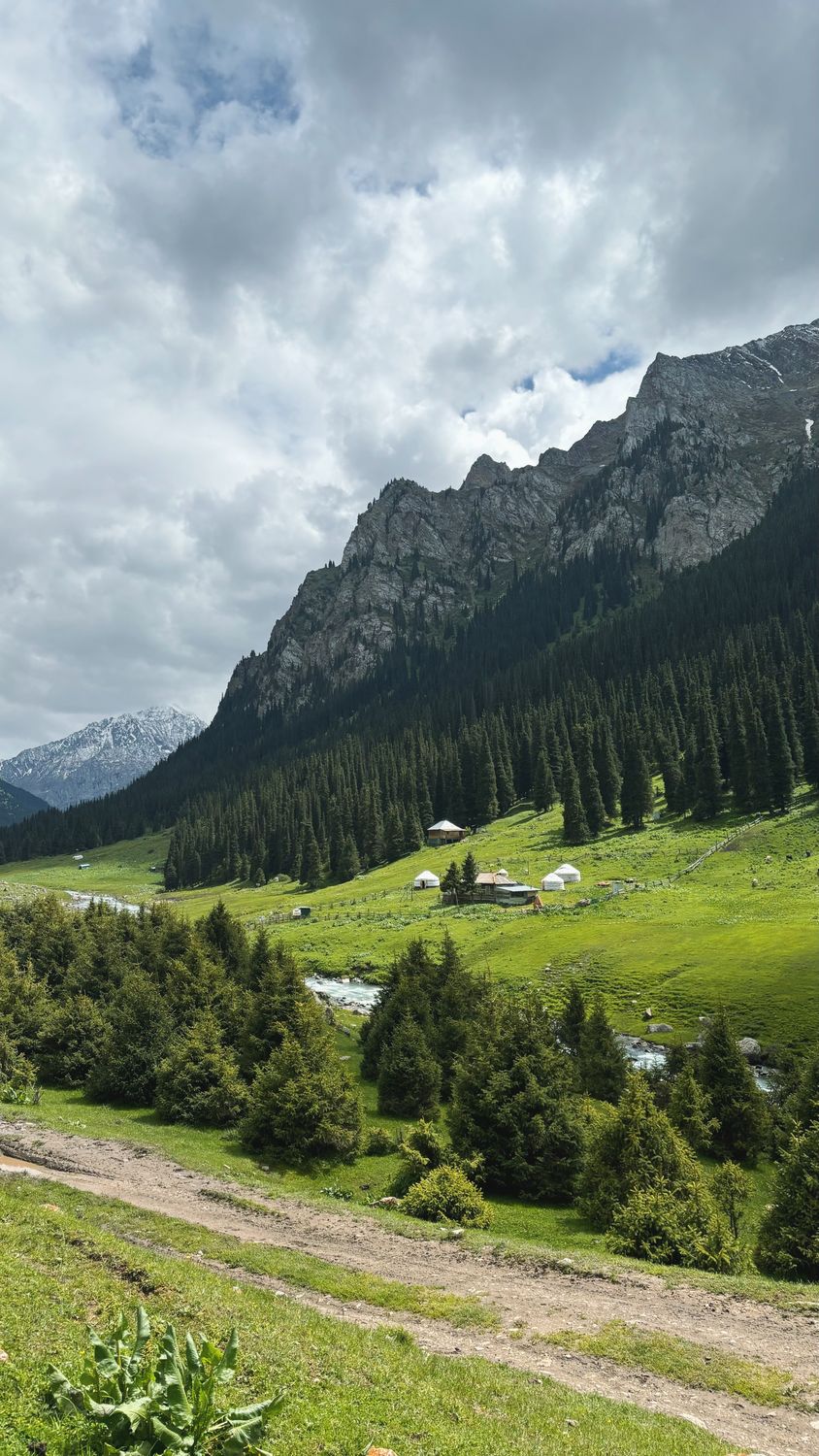
Where to Stay: CBT Yurt Experiences
If you’re looking for the most authentic — and safest — accommodation, Community Based Tourism (CBT) yurt camps are the answer. The Kyrgyz Community Based Tourism Association (KCBTA) unites 17 regional CBT groups, offering homestays and yurt camps that are vetted for safety, cleanliness, and cultural respect. Solo women travelers consistently rate these stays as the most welcoming, with hosts often providing extra blankets, a private lock on the yurt door, and a warm cup of tea upon arrival.
A typical CBT yurt includes:
- Two-person layout (you can request a single-occupancy setup for privacy).
- Breakfast and dinner featuring local dishes like manty (steamed dumplings) and shashlik (grilled meat).
- Guided hikes or horseback rides organized by the host.
- Cultural exchange opportunities, such as learning to spin felt or listening to epic “Manas” storytelling.
Booking is simple: visit the CBT Kyrgyzstan website and select a region that matches your itinerary. Many hosts speak basic English and are happy to arrange airport pick-ups for an additional modest fee. Booking at least two weeks in advance is recommended during the peak summer season (July-August), when yurt camps around Kochkor and Song-Kul fill quickly.
Must-See Natural Wonders
Kyrgyzstan’s landscape reads like a postcard, and solo travel gives you the flexibility to chase sunrise over untouched terrain.
Issyk-Kul Lake
At 1,607 m above sea level, Issyk-Kul is the world’s second-largest alpine lake, spanning 6,236 square kilometers. Its turquoise waters are framed by snow-capped peaks, and the lake’s UNESCO Biosphere Reserve status (designated 2001) guarantees protected natural beauty. Popular activities include:
- Lake-side cycling on the paved promenade.
- Sunset swims (the water stays warm enough for a quick dip even in July).
- Day trips to the nearby Karakol hot springs for a soothing soak.
Suleiman-Too Sacred Mountain (Osh)
The only UNESCO World Heritage Site in Kyrgyzstan, Suleiman-Too rises dramatically in the city of Osh. Carved into the rock are ancient mosques, sacred caves, and a small museum that narrates millennia of spiritual practice. Dress modestly, remove shoes before entering holy spaces, and be prepared for a gentle climb that rewards you with panoramic city views. The site is particularly atmospheric at dawn when Osh’s streets are quiet and the first light catches the rock face.
Alpine Valleys and Peaks
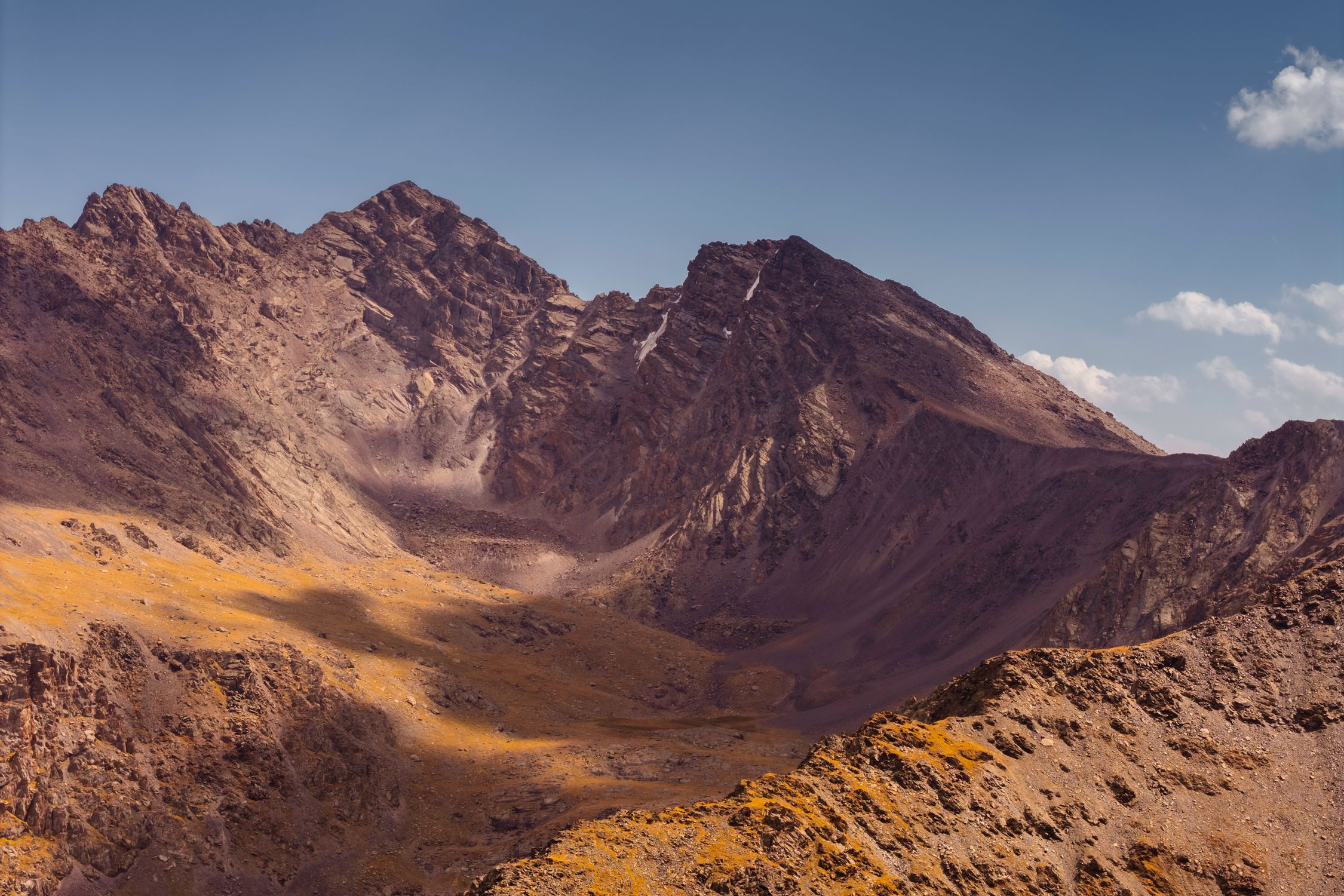
If you crave high-altitude trekking, the Jety-Oguz and Altyn-Arashan valleys offer dramatic scenery with relatively gentle trails — ideal for solo hikers who prefer day-length hikes over multi-day expeditions. For the truly adventurous, the Tien Shan range provides technical climbs, but these require a local guide and a well-equipped 4x4. The valley walls are streaked with red and ochre in late summer, creating natural color palettes that rival any painting.

Cultural Highlights and Local Etiquette
Kyrgyz culture is rooted in hospitality — “A guest is a gift from God.” When you’re invited into a yurt, expect a warm welcome, a cup of fermented mare’s milk (kumis), and perhaps a shared meal. Here are a few etiquette pointers that keep the vibe friendly and respectful:
- Dress modestly in rural areas: long sleeves and trousers are appreciated, especially when visiting mosques or sacred sites.
- Accept offers of tea — refusing can be seen as impolite, but you can politely decline if you’re not a fan.
- Ask before photographing people; a simple “May I take your picture?” goes a long way.
- Learn a few Kyrgyz phrases: “Salam” (hello), “Rakhmat” (thank you), and “Kosh keldinez” (welcome). Locals love the effort.
The Visit Kyrgyzstan Rural Tourism Alliance curates community-run tours that blend cultural immersion with sustainable practices — another great way to support local economies while staying safe. Many of these tours are bookable online with English-language support, making planning from home straightforward.
Safety and Practical Tips for Solo Women
Safety in Kyrgyzstan is largely about preparation and awareness rather than fear. Here are the top recommendations, distilled from official advisories and on-the-ground experiences:
- Road Awareness — Mountain passes can be narrow, with occasional landslides. Travel during daylight, keep a spare tire, and let your driver know your planned stop points.
- Border Zones — The State Department’s Level 2 advisory applies within 30 km of the Tajikistan border (Batken province) due to a recent history of border clashes. Avoid this area unless you have a local guide and a clear purpose.
- Health Precautions — Check the WHO Kyrgyzstan health profile for up-to-date vaccination recommendations. Carry a basic medical kit (band-aids, antiseptic, any prescription meds) and stay hydrated at high altitude. Altitude sickness is a real consideration above 3,000 m; ascend gradually and rest if you feel symptoms.
- Personal Security — Keep your passport, cash, and phone in a secure, zippered bag. A small cross-body purse works well. In rural villages, a friendly smile and a brief chat about your travels often diffuses any lingering curiosity.
- Connectivity — Purchase a local SIM card (Kcell or Beeline) at the airport; data plans are cheap and give you access to maps, translation apps, and emergency contacts.
- Emergency Numbers — Dial 102 for police, 103 for ambulance, and 104 for fire services. The U.S. Embassy in Bishkek can be reached at +996 312 555 555.
Packing and Preparation
A well-thought-out packing list makes the difference between a carefree trek and a scramble for supplies. The solo-female travel community recommends a lightweight, layered approach: breathable base layers, an insulated jacket, sturdy hiking boots, and a compact rain shell. Don’t forget a reusable water bottle, a headlamp, and a portable charger for those long marshrutka rides where outlets are scarce.
Sunscreen is critical at altitude — UV exposure intensifies significantly above 2,000 m, and even on overcast days you can burn faster than you expect. Pack SPF 50 and a wide-brim hat. A pair of trekking poles is worth the extra bag space if you plan any valley hikes; the trails can be rocky and uneven, and poles dramatically reduce knee strain on descents.
For menstrual hygiene products: stock up in Bishkek or Osh before heading into the mountains, as rural pharmacies rarely carry more than basic supplies. A menstrual cup or period underwear is an excellent space-saving choice for multi-day yurt stays where washing facilities are limited.
For a detailed checklist, see the dedicated guide: Packing Checklist for Solo Women. It covers everything from modest clothing options to optional accessories like a travel-size sarong for visiting mosques.
Related Reading
Get price-drop alerts and new guides from HerTripGuide
One email a week: price drops on the gear we recommend, new guides, and what changed. No spam, unsubscribe anytime.