Solo Female Travel in South Korea 2026: Seoul, Busan, Jeju & More
A warm, safety-first guide for solo women exploring Seoul, Busan, Gyeongju and Jeju in 2026. Tips on K-ETA, transport, budgeting, and women-friendly spots.

This post may contain affiliate links. Disclosure
Traveling alone as a woman can feel like stepping into a story where you write every chapter. South Korea in 2026 offers exactly that: a vibrant mix of ultra-modern cities, centuries-old temples, and a culture that celebrates safety, convenience, and the confidence of solo explorers. With a record 18.937 million visitors in 2025 — surpassing the pre-pandemic high of 17.5 million set in 2019 by 8.2% — a low Numbeo Crime Index of 29.0, and a Level 1 U.S. State Department advisory, the peninsula is buzzing with energy yet feels surprisingly intimate. From the neon-lit streets of Seoul to the volcanic cliffs of Jeju, you’ll find women-only taxis, night buses, English-friendly apps, and a 24/7 multilingual hotline ready to help. Let’s unpack everything you need to feel empowered, comfortable, and utterly in love with South Korea this year.
Is South Korea good for solo female travel in 2026? South Korea drew a record 18.937 million visitors in 2025, holds a Numbeo Crime Index of 29.0 and a Level 1 U.S. advisory. The guide covers K-ETA and the 2026 exemption window, Seoul transport and women-friendly services, neighborhood picks, and trips out to Busan, Gyeongju and Jeju.
Why South Korea Shines for Solo Female Travelers in 2026
South Korea’s reputation as a safe, tech-savvy destination is backed by hard data. The Numbeo Crime Index rates the country at 29.0, a “Low crime” classification, and public transport and sexual-harassment risk are both widely reported as low by solo female travelers. The U.S. State Department’s Level 1 advisory — Exercise Normal Precautions — places Seoul among the lowest-crime capitals in the OECD.
Safety: The U.S. State Department rates South Korea Level 1 — Exercise Normal Precautions. The UK Foreign Office notes: “Crime against foreigners is rare but there are occasional thefts. Take extra care of passports, credit cards and money in crowded areas and in areas visited by foreigners, such as Itaewon.” (US advisory · UK FCDO, updated 2026-05-14).
Beyond statistics, the everyday experience feels designed for solo women. Women-only taxis can be booked via the Kakao T app, night buses (N-buses) run from 1 am to 5 am on major routes, and subway stations are well-lit with clear signage in English. The Hallyu wave — K-pop, K-drama, and Korean cuisine — means you’ll constantly encounter friendly locals eager to share recommendations. And with the Korean won trading at 1,400-1,500 KRW per USD, a comfortable budget of $50-100 USD per day covers accommodation, meals, and transport, while a mid-range traveler can expect to spend $150-190 USD daily. South Korea’s tourism revenue hit $21.89 billion in 2025, and the government has set a target of 30 million annual visitors by 2030 — investment in visitor infrastructure is accelerating right now.
Entry Basics: Visa-Free Stays, K-ETA, and the 2026 Exemption Window
If you hold a passport from the United States, United Kingdom, Canada, Australia, or most other Western nations, you’re already eligible for visa-free tourism up to 90 days. Citizens from 100+ countries qualify in total. The only extra step — until 31 December 2026 — is the K-ETA (Korea Electronic Travel Authorization). Citizens from 22 countries, including the USA, are exempt from paying the 10,000 KRW (~$7.50 USD) fee during this window, making it the perfect moment to book your trip.
When the exemption ends on 1 January 2027, the K-ETA will become mandatory for all visa-free travelers, still processed in 24-72 hours. Apply through the official K-ETA portal. Keep a digital copy of your approval on your phone; you’ll need it at immigration and possibly when checking into budget hostels that scan QR codes.
For the latest official travel advisory, consult the U.S. State Department South Korea page. It confirms the Level 1 status and provides any temporary alerts related to weather or health.
Navigating Seoul Safely: Transport, Apps, and Women-Friendly Services
Seoul’s public transportation is the backbone of the city’s safety reputation. A T-Money card lets you tap for subway rides costing approximately 1,398 KRW (under $1 USD). If you plan to explore intensively, the Climate Card Tourist Pass offers unlimited subway and bus travel for 5,000-20,000 KRW depending on the number of days (1-7). Full details are outlined in the Seoul Public Transportation Guide 2026.
Night owls will appreciate N-buses, which run every hour on major corridors from 1 am to 5 am, ensuring you’re not stranded after a late-night karaoke session. For taxis, the Kakao T app provides English-language booking, upfront fare estimates, and an option to request a women-only vehicle. The app also integrates with KakaoMap, a reliable navigation tool that highlights well-lit streets and nearby police stations. Korea Rail (Korail) KTX trains connect Seoul to Busan in under three hours, and to Gyeongju in just over two — a smooth, affordable backbone for multi-city trips.
If you ever feel uneasy, the 1330 Korea Travel Hotline is a free, 24/7 multilingual service that can assist with emergencies, translation, or simple directions. Dial 1330 from any Korean phone, or browse the Korea Tourism Organization’s official site for additional resources.
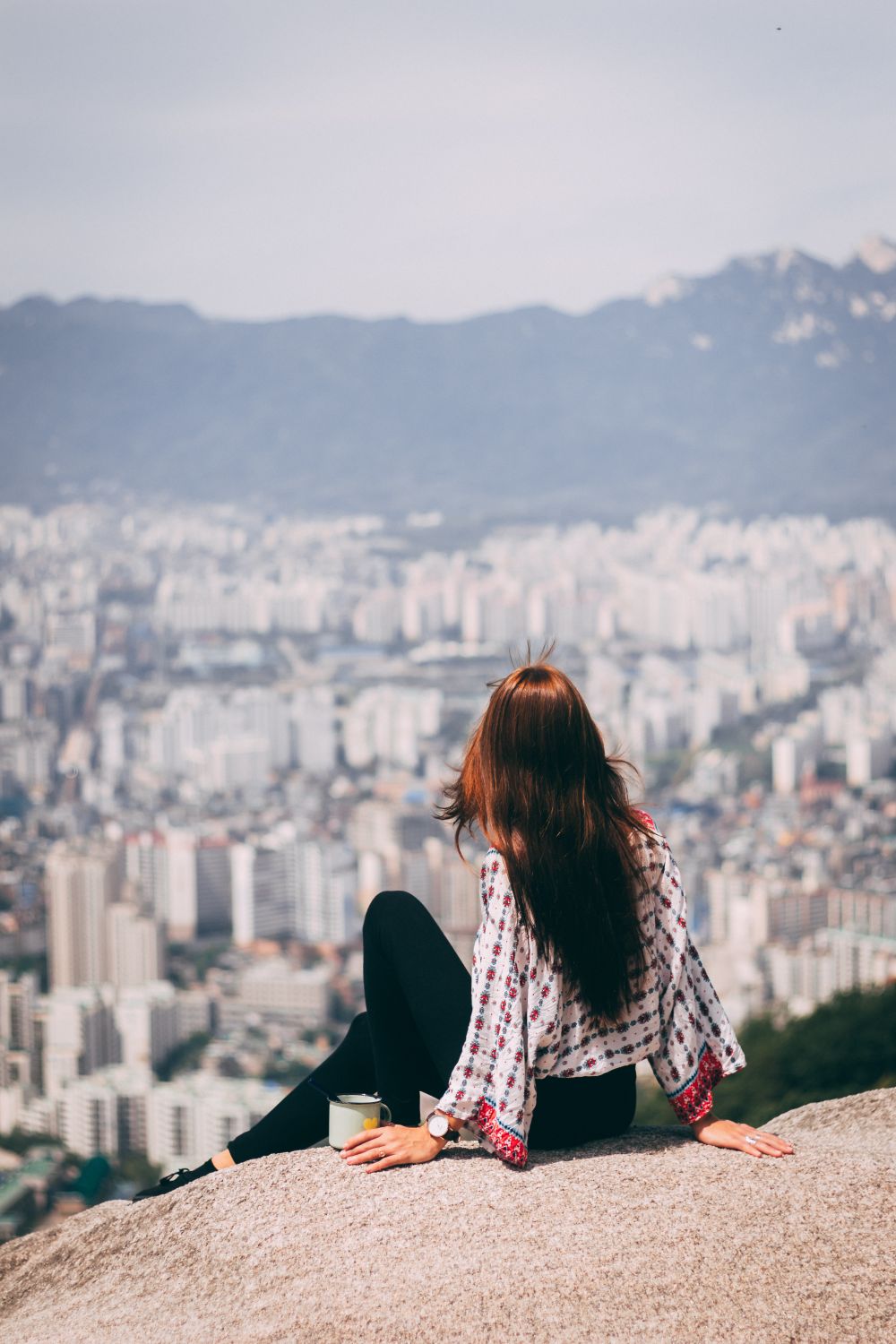
Seoul Neighborhoods That Feel Like a Sister’s Recommendation
Beauty Shopping in Myeong-dong
Myeong-dong’s bustling streets are a playground for beauty lovers. Stores display products in bright, organized aisles, and staff often greet you with a friendly “Annyeonghaseyo!” The area is patrolled by uniformed police and has women-only restrooms on every block — perfect for quick pit-stops during a shopping spree.
Historic Charm in Bukchon Hanok Village
Wander the narrow lanes lined with traditional hanok houses. The area is mostly pedestrian, and many cafes offer private rooms where you can relax with a cup of dalgona coffee. Because the streets are quiet and well-lit, it’s a safe spot for solo photoshoots. The nearby Gyeongbokgung Palace provides a grand backdrop; you’ll often see other solo travelers snapping pictures, making it easy to strike up a conversation.
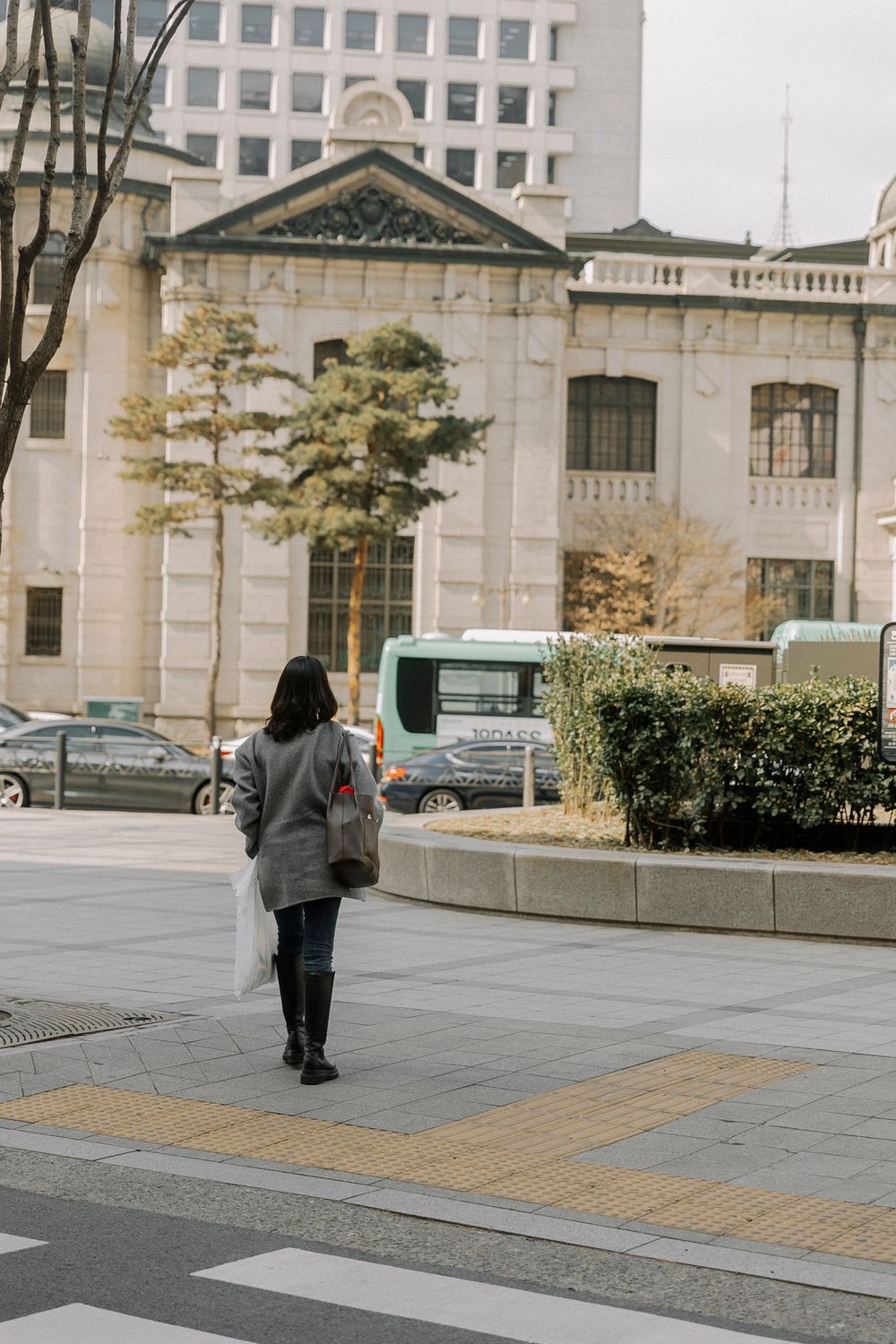
Hip Nightlife in Itaewon
Itaewon’s international vibe means English signage everywhere. For solo women, the women-only taxi service is especially handy after a night out. The area’s clubs and rooftop bars stay open until the early morning, and the N-bus routes connect directly to the city center, so you never have to walk alone on dark streets.
Green Escape at Hangang River Parks
Rent a bike from a Seoul Bike Ddareungi station and glide along the Han River. The parks are equipped with well-maintained restrooms, water fountains, and free Wi-Fi. Evening lighting along the river makes it a serene spot for a solo sunset meditation. Klook offers convenient day-pass packages for the bike rental system if you want everything sorted before you arrive.
Beyond Seoul: Busan, Gyeongju, and Jeju for Varied Adventures
Busan’s Beach-City Energy
Busan’s Haeundae and Gwangalli beaches draw locals and tourists alike. The city’s metro line 2 connects the beaches to downtown in under 30 minutes, and the Kakao T app again offers women-only taxis for late-night returns. Don’t miss the Gamcheon Culture Village, a colorful hillside maze that feels safe thanks to its narrow, well-lit alleys and friendly resident artists. Busan is an easy three-hour ride from Seoul on the KTX.
Gyeongju: Korea’s Open-Air Museum
Often called “the museum without walls,” Gyeongju houses UNESCO-listed Bulguksa Temple and ancient royal tombs. The city’s compact size lets you explore on foot or by local bus. Guided tours are widely available in English, and many local women’s hostels provide communal kitchens where you can meet fellow travelers.
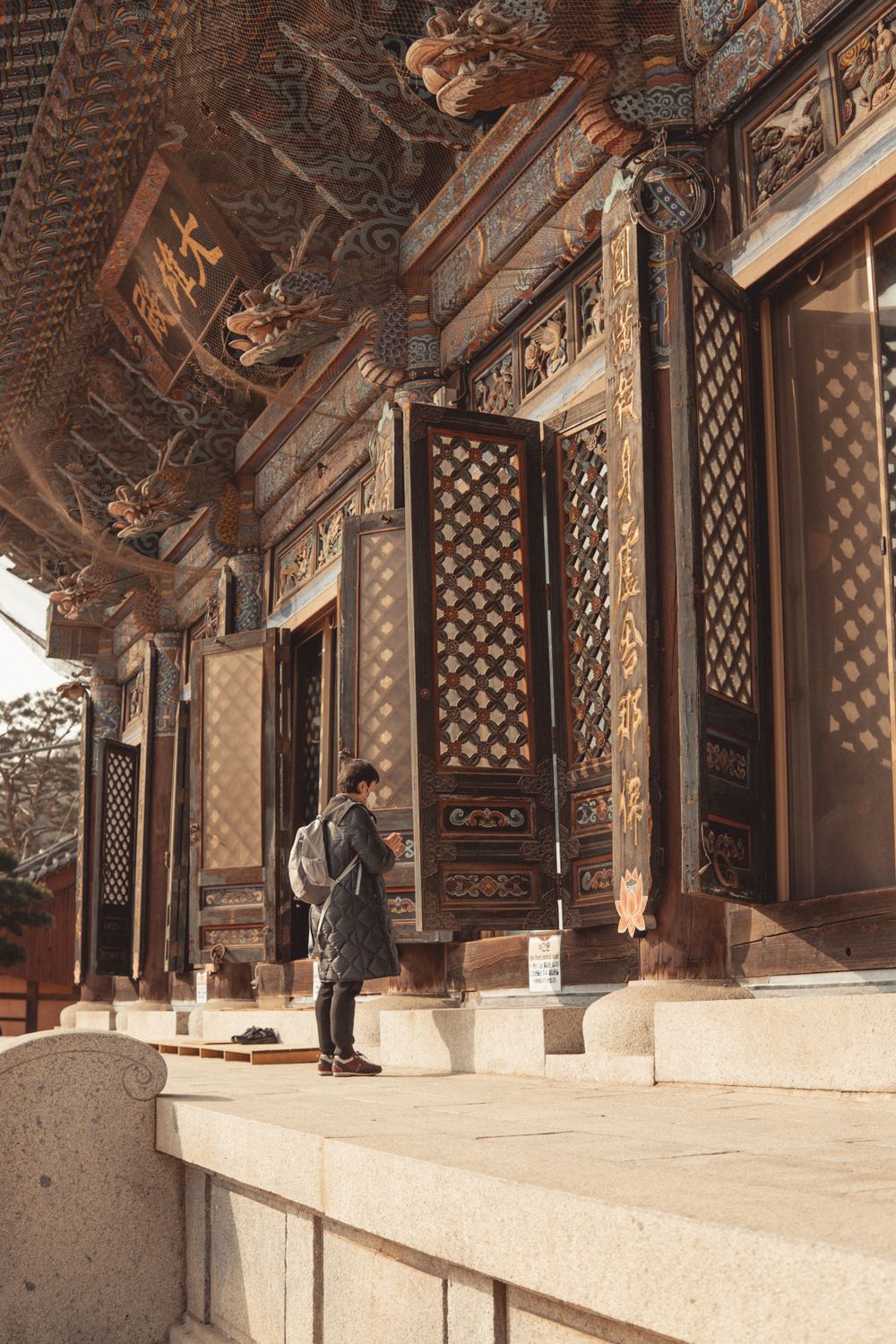
Jeju Island: Volcanic Landscapes and Ocean Breezes
Jeju holds a UNESCO triple crown — World Natural Heritage Site, Global Geopark, and Biosphere Reserve — making it a top solo-female nature destination. Rent a car (most rental agencies provide English contracts) to chase waterfalls, lava tubes, and the iconic Seongsan Ilchulbong sunrise peak. The island’s bus system is also reliable, and many guesthouses offer women-only dorms for added comfort. Klook and Korean Air both offer Seoul-Jeju flight bundles worth comparing before you book separately.

Money Matters: Budgeting, Exchange, and Value for Solo Travelers
The KRW exchange rate hovering between 1,400-1,500 KRW per USD makes South Korea excellent value right now. A budget traveler can comfortably spend $50-100 USD per day on a mix of hostels, street food, and subway rides. For those seeking more comfort, $150-190 USD per day covers boutique hotels, occasional fine dining, and day trips.
Currency exchange is straightforward at Incheon Airport, major banks, and countless convenience stores (GS25, CU). Keep a T-Money card topped up for transport and small purchases; it works at many convenience stores and some cafes. For larger payments, credit cards are widely accepted, and many establishments support contactless Apple Pay and Google Pay.
If you want to save on data roaming, pick up a prepaid SIM from Korea Telecom or SK Telecom at the airport for $10-$20 USD with 10 GB of data for a month, or activate an Airalo eSIM before your flight so you’re connected the moment you land.
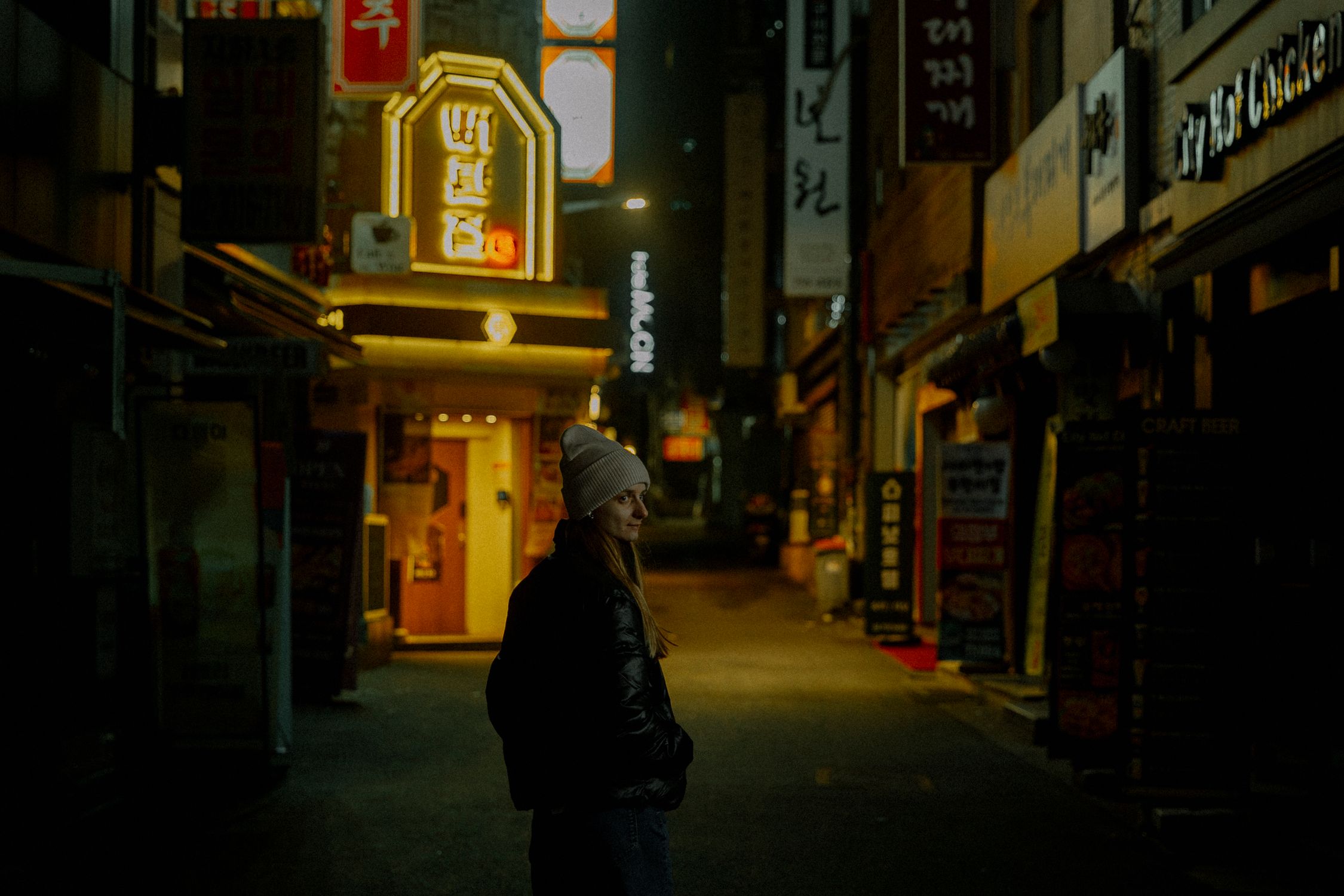
Staying Connected and Emergency Support
Staying online is easy with prepaid SIM options from the airport, or an eSIM via Airalo activated before you fly. The SIM works on 4G/5G networks, ensuring you can access KakaoTalk and Maps anytime.
If you ever need help, dial 1330 for the multilingual travel hotline. For police assistance, 112 connects you to English-speaking operators in major cities. The U.S. Embassy in Seoul provides consular services and can be reached at +82-2-397-4114. Register your trip with the STEP program before departure so the embassy can reach you if conditions change.
Practical Packing, Cultural Etiquette, and Final Sisterly Tips
- Seasonal timing: Spring (Mar-May) offers cherry blossoms with temperatures 8-20 °C; autumn (Sep-Nov) gives clear skies and foliage at 15-21 °C. Both seasons are widely considered the best times to visit.
- Dress modestly when visiting temples (shoulders and knees covered). You’ll find rental lockers at most sites for jackets or wraps.
- Language: While many younger Koreans speak English, learning a few phrases — “Annyeonghaseyo” (hello) and “Kamsahamnida” (thank you) — goes a long way and is always appreciated.
- Health: Tap water is safe to drink in hotels and major restaurants in Seoul and Busan, but many travelers prefer bottled water in smaller towns.
- Apps: Besides Kakao T, download Naver Map (more accurate for public transport) and Papago for on-the-spot translation when menus or signs go Korean-only.
- Hostels: Sites like Airbnb Korea list female-only room options across all major cities, and most purpose-built hostels in Seoul and Busan maintain dedicated women-only dorm floors.
Remember, solo travel is as much about the inner journey as the outer one. South Korea’s blend of safety, convenience, and cultural richness means you can focus on the joy of discovery without constantly looking over your shoulder. Pack your curiosity, trust your instincts, and let the peninsula’s warm hospitality guide you — just like an older sister would.
Related Reading
Get price-drop alerts and new guides from HerTripGuide
One email a week: price drops on the gear we recommend, new guides, and what changed. No spam, unsubscribe anytime.