Solo Female Travel in Tunisia 2026: Safety & Culture Guide
Empowering solo female travelers with safety tips, cultural insights, budgeting advice, and the top spots to visit in Tunisia for a confident 2026 trip.

This post may contain affiliate links. Disclosure
Traveling alone as a woman can feel like stepping onto a stage where the lights are both bright and a little intimidating. In 2026, Tunisia shines as a welcoming, progressive destination that proves you can explore confidently while soaking up Mediterranean charm. The country welcomed over 11 million visitors in 2025 — a record that underscores its growing reputation for safety, hospitality, and vibrant culture. Thanks to the 1956 Code of Personal Status, Tunisia leads the Arab world in women’s legal rights, offering a solid foundation for solo adventurers. Below, I’ll walk you through everything you need to know — from visa basics and currency exchange to women-only metro cars and the best neighborhoods to call home for a few weeks. Think of this guide as the older sister who’s already packed her bag, mapped the streets, and is ready to share the insider tips that let you travel with peace of mind and a full heart.
Is Tunisia safe for solo female travelers? Tunisia welcomed over 11 million visitors in 2025 and, thanks to the 1956 Code of Personal Status, leads the Arab world on women’s legal rights. It carries a Level 2 advisory with specific border zones to avoid. Base yourself in Sidi Bou Said or La Marsa.
Why Tunisia Is a Great Choice for Solo Women in 2026
Tunisia’s blend of ancient history, sun-kissed coastlines, and modern, progressive values makes it uniquely appealing for solo female travelers. The 1956 Code of Personal Status abolished polygamy, banned repudiation, and granted women the right to divorce, earning Tunisia the top spot in the Arab world for women’s legal rights according to Freedom House. This legal framework translates into everyday respect for women in cafes, markets, and public transport.
Tourism numbers back up the confidence boost. In 2025, more than 11 million international visitors set foot on Tunisian soil, surpassing the previous record of 9.4 million in 2019. The surge generated roughly USD 2.68 billion in revenue, a 6.3% increase over the prior year. European arrivals alone grew by 8.9% in 2025, and the first quarter of 2026 already shows a 4.5% year-on-year revenue rise. These figures signal that the country is not only open to travelers but actively investing in a safe, welcoming infrastructure.
Beyond statistics, the vibe on the ground feels warm and inclusive. From the bustling souks of Tunis to the pastel-colored alleys of Sidi Bou Said, locals often greet solo women with a friendly “Salam Alikoum” and are eager to share a cup of mint tea. The combination of legal protections, thriving tourism, and genuine hospitality creates a solid safety net for anyone traveling alone.
Getting There: Visas, Currency, and Practical Prep
Visa-Free Entry for Most Western Passports
If you hold a passport from the United States, the United Kingdom, Canada, or any EU member state, you can enter Tunisia visa-free for up to 90 days. Just make sure your passport remains valid for the entire duration of your stay, as required by the UK Government’s Tunisia travel advice and the U.S. State Department’s travel information. No paperwork, no fees — just a quick stamp at the airport and you’re ready to explore.
Currency Basics
Tunisia uses the Tunisian dinar (TND). In 2026 the exchange rate sits at roughly USD 1 = TND 2.91. A key tip: dinars cannot be exported, so it’s best to exchange any leftover cash before you leave the country. You’ll find currency exchange counters at the airport, major banks, and many hotels. Credit cards are widely accepted in larger cities and tourist areas, but keep some cash handy for smaller markets, street food stalls, and tipping.
Staying Connected
A reliable mobile connection makes navigating solo travel far easier. Local SIM cards are inexpensive and can be purchased at the airport or downtown kiosks. For ride-hailing, the Bolt app is popular in Tunis and coastal towns, offering a safe alternative to taxis. Many solo travelers also download offline maps (e.g., MAPS.ME) and a translation app to bridge any language gaps.
Health and Travel Insurance
While the U.S. State Department rates Tunisia at Level 2 (Exercise Increased Caution) due to a terrorism risk, the advisory does not suggest a travel ban. It does, however, recommend staying informed about regional developments, especially near the Libyan and Algerian borders (areas within 16 km of the borders carry a higher risk and are best avoided). A comprehensive travel insurance policy that covers medical evacuation and trip interruption is a smart safety net.
Staying Safe: Understanding the Level 2 Advisory and Border Zones
Safety is a nuanced conversation, and it’s important to separate everyday precautions from the broader geopolitical picture. The U.S. State Department’s Level 2 advisory signals that while the country is generally safe for tourists, certain regions require extra vigilance.
Border Areas to Avoid
- Libyan Border (east) - The 16 km zone along the border is flagged for higher terrorism risk.
- Algerian Border (west-northwest) - The same buffer applies here.
These zones are far from the main tourist corridors of Tunis, Sousse, or Djerba, so most solo travelers will never encounter them. Stick to well-traveled cities, coastal towns, and recognized tourist sites. If you’re planning a road trip, use a reputable car-rental agency, keep your itinerary shared with a trusted friend, and avoid night driving in remote areas.
Everyday Precautions
- Dress Comfortably, Respectfully - Tunisia is moderately conservative. Light, breathable clothing that covers shoulders and knees is both comfortable and culturally respectful.
- Stay in Well-Lit Areas at Night - The historic medinas are magical after dark, but stick to main streets and avoid deserted alleys.
- Use Women-Only Metro Cars - The TGM (Tunis-Goulette-Marsa) commuter train includes a dedicated women-only car — the first car of each train. It’s a small but appreciated feature for solo female travelers.
- Keep Valuables Secure - Use a money belt or hidden pouch for passports and cash. Hotels often provide safe boxes; if not, a portable lockable bag works well.
- Stay Updated - Follow the U.S., UK, and Canadian travel advisories for any changes. The Against the Compass safety guide offers a detailed, up-to-date overview of risk areas and practical tips.
By treating these guidelines as common-sense travel habits rather than restrictions, you’ll preserve the excitement of discovery while minimizing avoidable risks.
Getting Around: Transport Tips and Women-Only Options
Tunisia’s transport network is surprisingly modern, especially along the coast where most solo travelers stay. Here’s a breakdown of the most reliable ways to get from point A to B.
TGM Metro - The Women-Only Car
The TGM (Tunis-Goulette-Marsa) metro connects the capital Tunis with the seaside suburbs of La Goulette and La Marsa. The first car of each train is reserved for women, offering a comfortable, low-stress environment for solo travelers. Trains run every 15-20 minutes during peak hours and are a quick way to reach popular beach towns without dealing with traffic.
Buses and Public Coaches
The national bus system (SNTRI) covers long distances between major cities — Tunis, Sousse, Kairouan, and beyond. While affordable, buses can be crowded, especially during rush hour. For a smoother experience, consider private coach services that operate on the same routes but with reserved seating.
Ride-Hailing and Taxis
Bolt and local ride-hailing apps dominate urban areas. Taxis are plentiful in Tunis and coastal resorts; always ask the driver to turn on the meter or agree on a price before departure. For night travel, Bolt’s in-app driver rating system adds an extra layer of security.
Car Rentals
If you crave flexibility, rent a compact car from reputable agencies in Tunis or at the airport. Stick to major roads, avoid border zones, and remember that driving is on the right-hand side. GPS navigation works well, but keep a paper map as a backup for remote areas.
Trains
The national railway (SNCFT) links Tunis with southern cities like Sfax and Gafsa. Trains are comfortable, air-conditioned, and relatively inexpensive. First-class tickets provide extra space and a quieter cabin — ideal for solo travelers who value a bit of privacy.
Where to Base Yourself: Sidi Bou Said, La Marsa, and More
Choosing the right neighborhood can set the tone for your entire trip. Below are three top picks that blend safety, charm, and easy access to attractions.
Sidi Bou Said - The Blue-White Dream
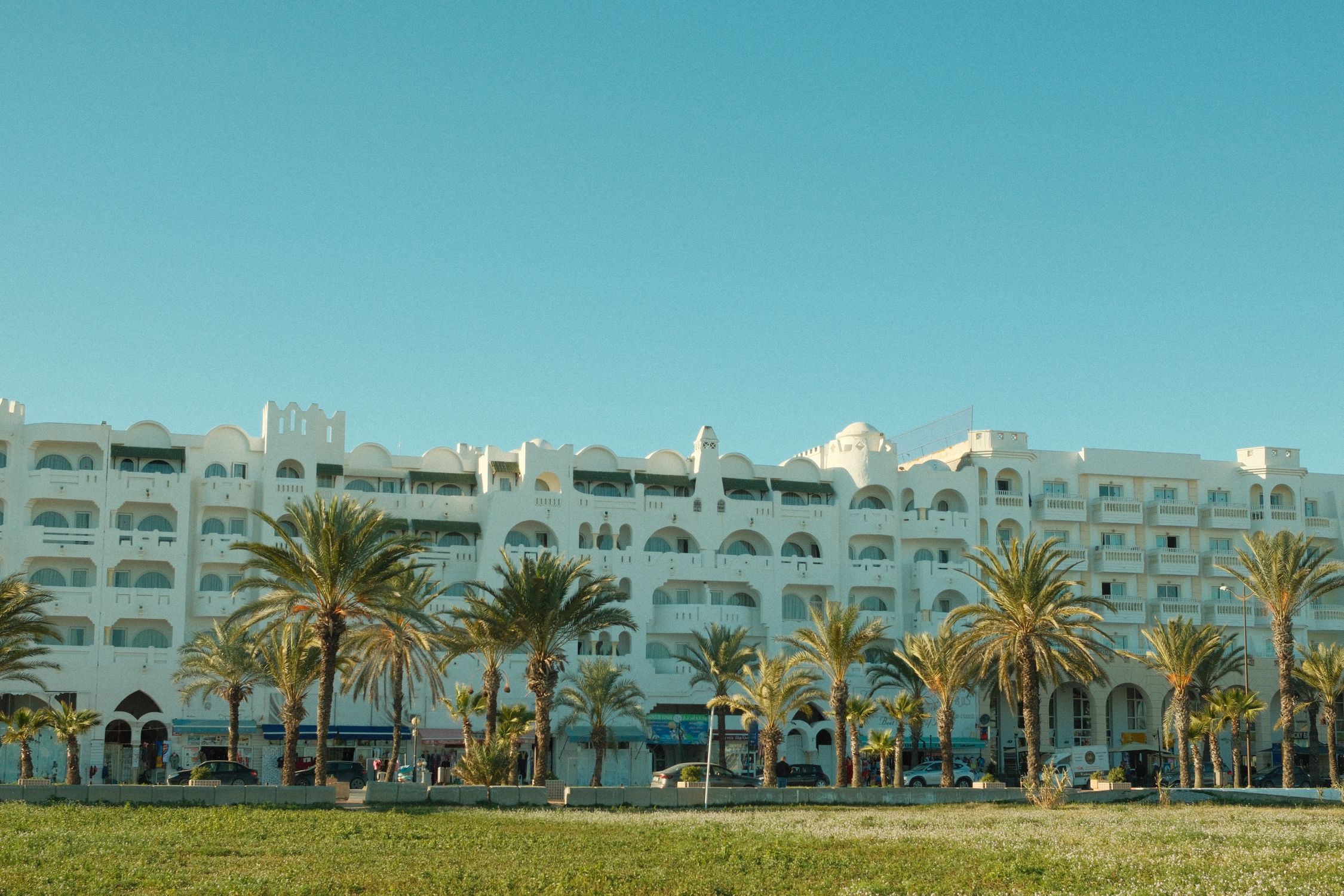
Sidi Bou Said is a postcard-perfect hilltop village famous for its whitewashed houses with cobalt blue doors and windows. The narrow, winding streets are lined with cafes where you can sip on a glass of cafe au lait while watching the Mediterranean sparkle. Because the village is compact, you can explore on foot, and the women-only metro car makes a quick connection to Tunis’s city centre. Hostels, boutique guesthouses, and mid-range hotels cater to solo travelers, many of which offer female-only dorms or rooms.
La Marsa - Beach Vibes with Urban Convenience

Just a short TGM ride from the capital, La Marsa blends a relaxed beachfront atmosphere with easy access to Tunis’s nightlife and shopping districts. The promenade is perfect for sunrise jogs, and the area hosts a variety of budget hotels (USD 20-30 per night) and mid-range boutique stays. Many cafes and restaurants have outdoor terraces, providing a safe, well-lit environment for evening meals.
Tunis Medina - Immersive History
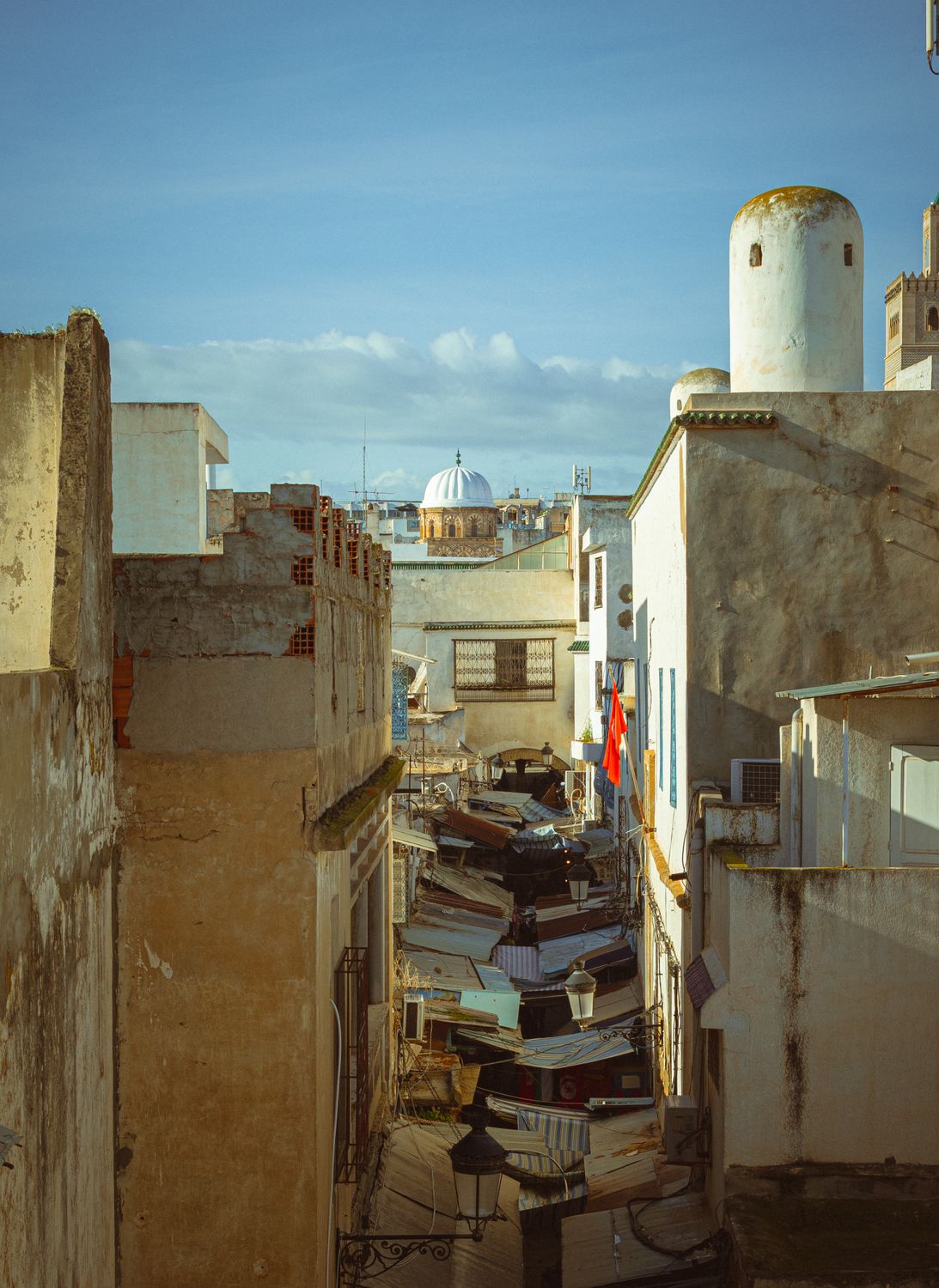
If you crave an authentic cultural immersion, the Medina of Tunis — a UNESCO World Heritage Site with roughly 700 monuments — offers a bustling, sensory experience. While the medina’s maze-like alleys can feel overwhelming, staying in a female-friendly riad or a small guesthouse provides a secure base. The area is well-served by the TGM and city buses, and the women-only metro car adds an extra layer of comfort for night travel.
Must-See Cultural Highlights and Experiences
Tunisia’s history spans Phoenician traders, Roman emperors, and Ottoman sultans, creating a layered tapestry of sites that delight any solo explorer.
El Djem Amphitheatre - A Roman Marvel
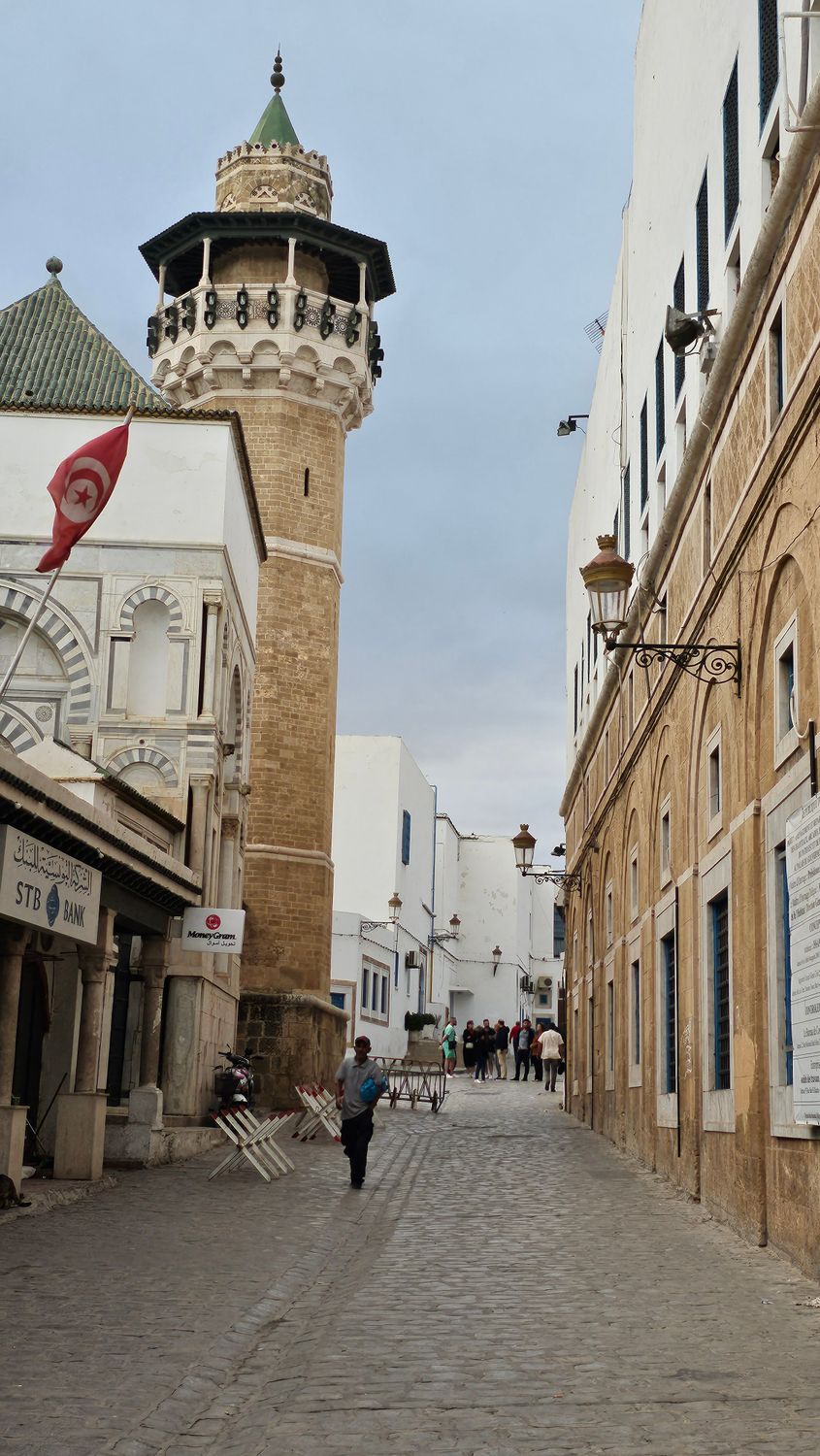
The El Djem amphitheatre, constructed between 230-238 AD, is the largest Roman arena in North Africa and could once seat 60,000 spectators. Its massive stone arches and well-preserved arena floor make it a photographer’s dream. Guided tours often include a glimpse into ancient gladiatorial games, and evening concerts occasionally bring the venue back to life.
Carthage - Ancient Ports and Modern Museums

Just outside Tunis, the ruins of Carthage tell the story of the Punic empire’s rivalry with Rome. Walk among marble columns, explore the Antonine Baths, and visit the Carthage National Museum for artifacts that span millennia. The site is easily reachable by the TGM, and many local guides offer half-day tours that are perfect for solo travelers.
Medina of Tunis - A Living Heritage
The Medina of Tunis is a labyrinth of souks, mosques, and historic homes. Highlights include the Zitouna Mosque, the Dar Hussein palace, and the Souk el Attarine (perfume market). For a deeper connection, consider a cooking class where you’ll learn to make couscous or brik under the guidance of a local chef. The medina’s vibrant street life is best explored in the early morning or late afternoon when the sun is softer.
Beaches and Coastal Towns
From the golden sands of Hammamet to the relaxed shores of Djerba, Tunisia’s coastline offers a range of beach experiences. Sidi Bou Said and La Marsa provide easy access to seaside cafes, while the quieter town of Mahdia offers a more laid-back vibe. Don’t miss a sunset sail along the Mediterranean — a perfect way to unwind after days of exploring ancient sites.
Budgeting and Daily Costs for Solo Travelers
Traveling solo doesn’t have to break the bank. Tunisia is known for its affordability, especially when you tap into local markets and budget accommodations.
- Accommodation: Budget hotels and hostels range from USD 20-30 per night. Mid-range boutique hotels typically cost USD 40-70.
- Food: A meal at a local restaurant is USD 5-10. Street food — think lablabi (chickpea soup) or fricasse (fried dough) — can be as low as USD 2.
- Transport: TGM tickets are under USD 1 per ride. Bolt rides average USD 3-5 for short city trips. Intercity bus tickets are typically USD 10-15.
- Activities: Entrance fees to major sites (e.g., El Djem) are around USD 5-8. Guided tours range from USD 20-40 per person.
Overall, a solo traveler can comfortably manage USD 46-69 per day, covering lodging, meals, transport, and entrance fees. This budget leaves room for occasional splurges — perhaps a traditional hammam (steam bath) or a sunset dinner on the beach.
Final Checklist and Empowered Departure
Before you zip up your suitcase, run through this quick checklist to ensure a smooth, confident start to your Tunisian adventure:
- Passport: Valid for the entire stay; no visa needed for U.S., EU, UK, or Canadian citizens.
- Travel Insurance: Covers medical emergencies, trip cancellation, and theft.
- Currency: Exchange a small amount of TND before departure; note the USD 1 = TND 2.91 rate.
- SIM Card and Apps: Purchase a local SIM at the airport; download Bolt, offline maps, and a translation app.
- Women-Only Metro Car: Remember the first car on TGM trains for a comfortable ride.
- Safety Gear: Money belt, lockable bag, and a portable door alarm (optional).
- Dress Code: Light, modest clothing — especially for visits to mosques or rural areas.
- Itinerary Sharing: Share your daily plans with a trusted friend or family member.
- Stay Informed: Bookmark the U.S. State Department advisory, UK Government advice, and Canada’s travel advice for any updates.
With these preparations in place, you’re ready to step onto Tunisian soil with confidence, curiosity, and a sense of adventure. The country’s progressive laws, welcoming locals, and vibrant culture await — so go ahead, book that flight, and let Tunisia become the backdrop for your next solo story.
Related Reading
Get price-drop alerts and new guides from HerTripGuide
One email a week: price drops on the gear we recommend, new guides, and what changed. No spam, unsubscribe anytime.